

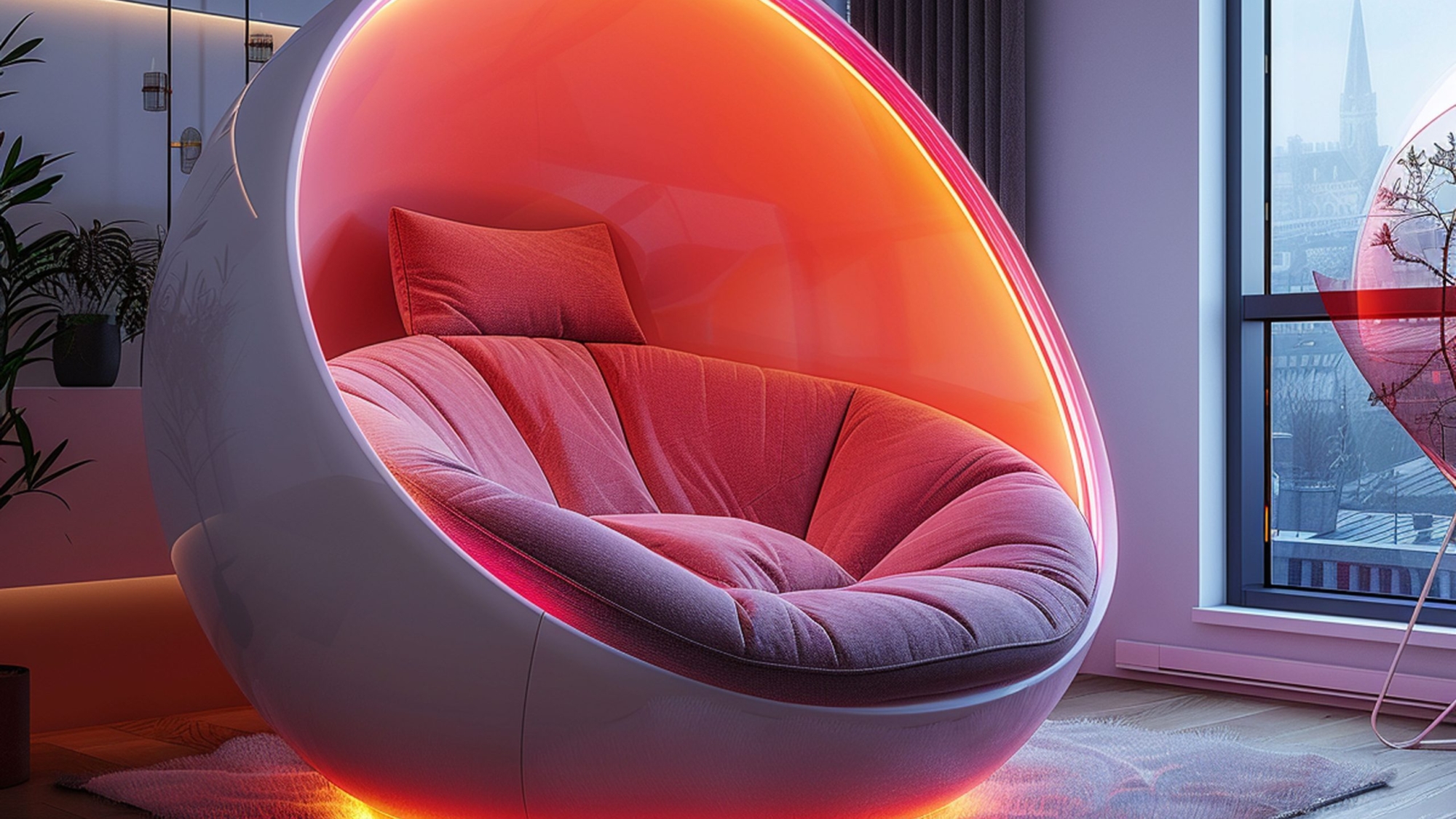
Comfort inside a home is rarely created by one thing. It comes from a combination of temperature, light, air, humidity, sound, and the overall feeling of a room. These details can be easy to overlook because they often work together quietly.
Modern home technology is beginning to give people more ways to understand and shape these conditions. Instead of thinking about comfort only in terms of furniture or decoration, households can now use connected equipment to create indoor environments that respond more precisely to changing needs.
The result is a different kind of comfort—one that is influenced not only by what a room looks like, but also by how it feels.
The Atmosphere of a Room
Two rooms can have similar furniture and completely different atmospheres.
Lighting may make one space feel energetic while another feels calm. Dry air can make an otherwise comfortable room feel unpleasant. Excess humidity can affect how a space feels and how certain materials behave.
These factors interact continuously.
Technology can help make some of them measurable. Instead of relying entirely on personal perception, users can observe environmental conditions and understand how they change throughout the day.
This creates a more informed approach to indoor comfort.
Lighting Is More Than Illumination
Traditional lighting is primarily designed to make a room visible. Modern lighting technology can serve a much broader purpose.
Adjustable brightness allows people to create different levels of illumination for different activities. Color temperature can also influence the visual character of a room.
A workspace may benefit from brighter, more focused illumination, while a relaxing environment may feel better with softer light.
The ability to change lighting allows one physical room to support several different moods without changing its furniture or layout.
The Subtle Influence of Color Temperature
Not all white light appears the same.
Different color temperatures can create noticeably different visual impressions. Cooler light can feel crisp and energetic, while warmer light can create a softer atmosphere.
This becomes especially interesting when lighting can be adjusted throughout the day.
Rather than keeping one setting permanently, a household can experiment with different levels and tones according to the activity taking place.
The goal is not to create dramatic visual effects. Small adjustments can be enough to change how a room feels.
Air Quality Becomes Visible
Indoor air can be difficult to evaluate because many important characteristics are invisible.
Connected air-quality monitors can provide measurements related to selected environmental conditions, depending on the model. This can help users recognize patterns that would otherwise go unnoticed.
For example, environmental conditions may change significantly when windows remain closed, when several people occupy a room, or when cooking takes place.
The value of monitoring is not simply having a number on a display. It is understanding how everyday activities influence the indoor environment.
Humidity and the Feel of a Space
Humidity is another factor that strongly influences indoor comfort.
When humidity is too low, some people may experience an uncomfortable sense of dryness. Excessive humidity can make rooms feel heavy and may contribute to unwanted environmental conditions.
Humidity sensors can help reveal how these levels fluctuate.
Once patterns become visible, households can make more informed decisions about ventilation, humidification, dehumidification, and other environmental adjustments.
Temperature Is Not the Whole Story
A thermostat can tell you the temperature, but perceived comfort can depend on much more.
Air movement, humidity, clothing, activity level, sunlight, and the location of the person within a room can all influence how warm or cool a space feels.
This is why simply choosing one temperature setting may not always create the same experience throughout the day.
Modern environmental technology can provide additional information that helps explain these differences.
Creating Better Sleep Environments
The bedroom is one area where environmental conditions can have particular importance.
Lighting, temperature, sound, and air conditions can all contribute to the character of the sleeping environment.
Connected devices can support gradual changes before bedtime, such as reducing illumination or adjusting selected environmental settings.
The emphasis should be on creating a consistent and comfortable environment rather than relying on technology as a substitute for healthy routines.
Technology Can Support Quiet Spaces
Sound is another part of indoor atmosphere.
While smart audio equipment is often associated with entertainment, technology can also be used to create a quieter or more controlled acoustic environment.
Sound-absorbing materials, connected white-noise devices, adjustable audio systems, and thoughtful speaker placement can influence how a room feels.
The goal is not always silence. Sometimes the right background sound can make an environment feel calmer or more private.
Adapting Spaces Throughout the Day
One room can have several identities.
A dining area can become a workspace. A living room can serve as a place for exercise, entertainment, reading, or conversation. A bedroom can function as both a personal retreat and a practical storage space.
Environmental technology can help these transitions feel more natural.
Lighting can change according to the activity. Temperature can be adjusted to suit the time of day. Air monitoring can provide information when the room is occupied for long periods.
The physical room stays the same, but its atmosphere can evolve.
The Importance of Personal Preference
There is no universal definition of indoor comfort.
One person may prefer cooler temperatures while another feels comfortable in warmer conditions. Some people enjoy bright lighting, while others prefer softer illumination.
This makes personalization particularly valuable.
Rather than assuming that one setting works for everyone, connected environmental devices can provide more flexibility.
The technology becomes a tool for discovering what actually feels comfortable instead of imposing a predetermined environment.
Less Guesswork, More Awareness
One of the greatest advantages of environmental technology is awareness.
People often adapt to gradual changes without noticing them. A room becomes stuffier, darker, drier, or warmer, and the change may only become obvious once discomfort has already appeared.
Monitoring equipment can make these shifts easier to recognize.
That awareness can lead to simple changes that have nothing to do with purchasing additional technology. Opening a window, changing a light level, moving a sensor, or adjusting a routine may be enough.
The device provides information; the person decides what to do with it.
Designing Comfort From the Inside Out
Modern home technology is increasingly moving beyond visible gadgets and toward the conditions that shape everyday experience.
The most valuable contribution may not be a spectacular device or an elaborate interface. It may be the ability to understand the subtle environmental factors that make a room feel welcoming, productive, peaceful, or refreshing.
Comfort has always been deeply personal. Technology simply gives people more ways to observe it and shape it.
A truly thoughtful living environment is not necessarily the one with the most equipment. It is the one where light, air, temperature, sound, and atmosphere come together in a way that feels right for the people who live there.