

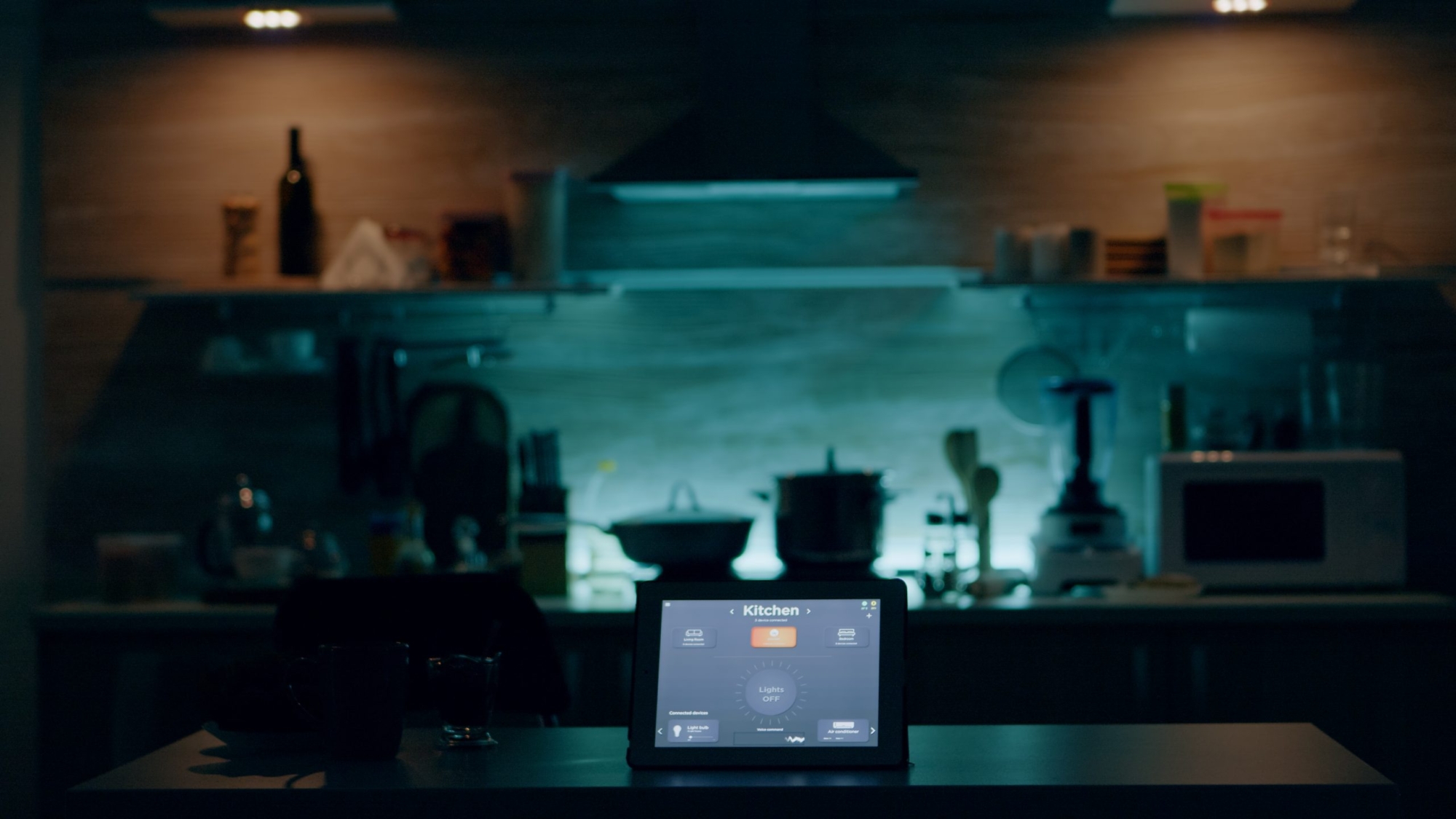
The kitchen has always been one of the most active spaces in a home. It is where meals are prepared, ingredients are organized, appliances are used, and everyday routines often overlap. As household technology has evolved, the kitchen has become one of the most interesting places for digital innovation.
Modern kitchen technology is not simply about adding screens to traditional appliances. It is about creating tools that can make preparation more organized, equipment easier to understand, and everyday cooking more connected to the people using the space.
The transformation is happening gradually, with familiar kitchen objects gaining capabilities that would have seemed unusual only a short time ago.
Appliances Are Becoming More Aware
Traditional kitchen appliances generally performed one task according to settings selected by the user. Connected appliances can provide additional information about their operation.
A modern oven, for example, may provide details about its current cycle, temperature, or remaining cooking time through a digital interface. Refrigerators can provide information about internal conditions or selected functions. Dishwashers and washing appliances can communicate when their cycles are complete.
This added visibility can make kitchen routines easier to follow.
Instead of repeatedly checking an appliance, users can receive information when something requires attention.
The Connected Refrigerator
The refrigerator has gradually become more than a cold storage cabinet.
Some modern models can monitor internal conditions, provide digital controls, organize information, and interact with other household systems.
One interesting development is the growing emphasis on food awareness. Digital systems can help users keep track of stored items, expiration information, or frequently used ingredients, depending on the equipment and software involved.
The broader idea is simple: the refrigerator becomes part of the information environment of the kitchen.
This does not eliminate the need for human judgment, but it can make certain details easier to track.
Smarter Cooking With Precision
Cooking often depends on precision.
Temperature, timing, measurements, and preparation sequences can all influence the result. Digital kitchen tools can make these factors easier to monitor.
Connected thermometers can provide detailed temperature readings. Digital scales can assist with accurate measurements. Smart ovens may offer more precise control over cooking conditions.
These tools are particularly interesting because they combine traditional cooking knowledge with modern measurement.
Rather than replacing technique, technology can give cooks better information while they develop and refine it.
The Rise of Guided Preparation
Digital cooking platforms can also change how people approach recipes.
Instead of reading a long set of instructions from beginning to end, users can follow step-by-step guidance while preparing a meal. Timers, measurements, ingredient lists, and cooking stages can be presented at the moment they become relevant.
This can reduce the amount of mental organization required during complicated preparation.
The kitchen becomes a place where information is available alongside physical ingredients and equipment.
Digital Scales Have a Bigger Role
A kitchen scale may seem like a very simple device, but connected versions can add another layer of functionality.
Precise measurements can be displayed digitally, stored within an application, or incorporated into guided cooking workflows.
This can be useful when preparing recipes that depend heavily on proportions.
For baking in particular, accurate measurement can have a major influence on consistency.
The value of digital measurement is therefore not novelty. It is repeatability.
Timers Without the Mental Load
Cooking often involves multiple tasks happening simultaneously.
Something may be baking while another ingredient is being prepared and another process requires attention. Digital timers can help coordinate these activities.
Connected kitchen systems can take this further by allowing several timers to be managed from one interface or by linking timing information with particular appliances.
This can make complicated preparation easier to organize.
The technology does not cook the meal by itself. It simply helps reduce the number of details a person has to remember at the same time.
Appliances That Communicate
One of the more practical developments in connected kitchens is improved communication between appliances and users.
A device can indicate that a cycle is finished, a setting has changed, or maintenance may be required.
These messages can reduce uncertainty.
Instead of repeatedly checking whether something is ready, users can wait for the equipment to communicate its status.
This is particularly helpful during busy periods when attention is divided among several tasks.
The Kitchen as an Information Center
The kitchen has always been a place where information comes together.
Shopping lists, recipes, meal schedules, calendars, timers, nutritional information, and household reminders can all become relevant there.
Digital displays and connected devices can bring some of this information into the physical environment.
A wall-mounted screen or compact display can provide a recipe while cooking, show a timer, or display a list without requiring a person to handle a phone with messy hands.
This creates a more practical relationship between digital information and physical activity.
Technology Meets Traditional Cooking
Despite all these developments, technology does not replace the human side of cooking.
Recipes still depend on taste. Ingredients vary. Techniques require judgment. Family traditions often involve methods that cannot be reduced to a digital instruction.
In many ways, this makes kitchen technology more interesting.
The most useful tools do not attempt to eliminate human involvement. They support the parts of cooking where precision, organization, and timing matter most while leaving creativity to the person preparing the meal.
Accessibility in the Kitchen
Digital controls can also make some kitchen activities easier to approach.
Large displays, voice interaction, clearer notifications, adjustable interfaces, and remote controls can reduce physical or visual barriers associated with certain appliances.
This can make kitchen technology more flexible for people with different needs.
Accessibility is increasingly becoming part of good technology design rather than a separate feature added afterward.
Maintenance Becomes Easier to Understand
Kitchen appliances require regular care.
Filters need attention, components may require cleaning, and certain systems need periodic maintenance. Modern connected equipment can make these requirements more visible through reminders or status information.
This does not remove the responsibility of maintaining an appliance, but it can make maintenance easier to remember.
A device that communicates what it needs can help prevent small issues from becoming unexpected problems.
A More Connected Cooking Experience
The digital kitchen is not defined by one spectacular invention.
Its transformation comes from many smaller improvements: clearer controls, more accurate measurements, better timing, useful notifications, connected appliances, and accessible information.
Together, these changes create a kitchen that can feel more organized without becoming impersonal.
The most successful technology remains in the background when it should and becomes visible when it has something useful to contribute.
The Future of the Everyday Kitchen
The kitchen of the future may not look dramatically different from the kitchen of today.
Cabinets, counters, ovens, refrigerators, and cooking utensils will still have familiar roles. What changes is the layer of intelligence surrounding them.
Appliances can communicate more clearly. Digital tools can reduce repetitive tasks. Information can appear exactly where it is needed. Precision can become easier to achieve.
Technology is therefore not replacing the traditional kitchen. It is adding another dimension to it.
The result is a space where old-fashioned creativity and modern digital capability can exist side by side—a kitchen that remains deeply human while becoming increasingly connected.