

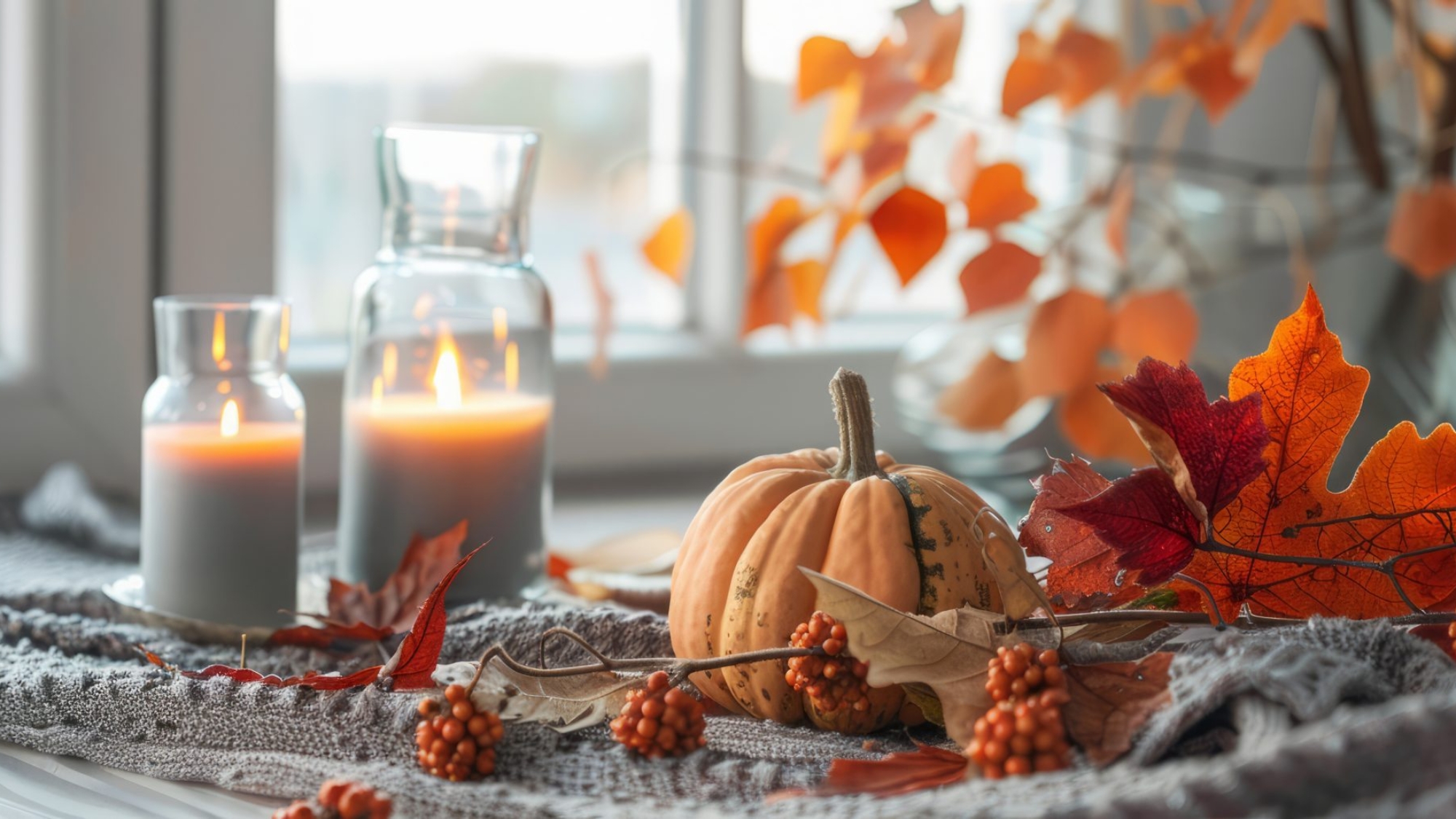
We spend so much time thinking about how our homes should look in the fall.
We switch out the pillows, bring out the heavier blankets, add branches in deeper colors, rearrange the mantel, and maybe put a few pumpkins around the house. We think about texture, lighting, color, and all the little details that make a room feel warmer as the days get shorter.
But there is one part of seasonal decorating that is easy to overlook:
How does your home smell?
Scent has a remarkable ability to change the feeling of a room almost instantly. You can walk into a familiar space and, before you notice the furniture or decorations, recognize the atmosphere simply because of the fragrance in the air.
A warm, layered scent can make a home feel cozier.
A fresh scent can make it feel brighter.
A woodsy fragrance can make a room feel deeper and more intimate.
And during fall, scent becomes especially powerful because the season naturally lends itself to richer, warmer notes.
Fall Doesn't Have to Smell Like Pumpkin
Pumpkin spice has become almost synonymous with fall, but it is certainly not the only way to make your home smell seasonal.
In fact, some of the most interesting fall fragrances have very little pumpkin in them — or none at all.
The scents that tend to feel the most sophisticated are usually layered.
There might be something warm and woodsy underneath, such as sandalwood, cedar, amber, leather, or cashmere wood. Then comes a little spice — cardamom, clove, cinnamon, or pepper. Finally, there is often something fruity or slightly sweet on top to keep everything from becoming too heavy.
Plum.
Pear.
Apple.
Berries.
These brighter notes give deeper fragrances some lift and make them feel welcoming rather than overly rich.
That's the combination to look for if you want your home to smell unmistakably like fall without relying on the same familiar seasonal fragrance year after year.
Think of Scent Like Another Layer of Decorating
When you're choosing a fall fragrance, think about the room you're putting it in.
A bedroom might call for something soft and quiet — vanilla, sandalwood, amber, almond, or cashmere.
A study or office can handle something darker and more atmospheric, with leather, wood, musk, or earthy spices.
A kitchen naturally works well with apple, cinnamon, clove, and warm baking notes.
And a living room can be the perfect place for something balanced — warm enough to feel seasonal but fresh enough to keep the space inviting throughout the day.
You don't necessarily need one scent for the entire house.
In fact, using different fragrances in different spaces can make your home feel more layered and intentional.
The trick is making sure they complement each other rather than compete.
1. Soft Woods, Vanilla, and Warm Spice
Some fall fragrances feel cozy without being overtly seasonal.
Imagine warm sandalwood softened with vanilla, a little almond, and a touch of cardamom. There might be a hint of something floral or green underneath, keeping the fragrance from becoming too sweet.
This type of scent is particularly beautiful in bedrooms.
It creates warmth without making the room smell like a holiday kitchen, and it works just as well on a quiet afternoon as it does in the evening.
If you want your home to feel like fall without reaching for pumpkin, this is a wonderful place to start.
2. Leather, Fir, and Dark Woods
Not every fall scent needs to be soft.
Some should feel a little mysterious.
Leather, fir needle, black pepper, oud, woodland musk, and other earthy notes can create the atmosphere of an old library or a room filled with dark wood and well-loved books.
It's less "cozy blanket" and more "settle into a chair and stay awhile."
This kind of fragrance works especially well in offices, studies, libraries, and rooms with darker furniture.
It can also balance out a home that already has plenty of sweet or fruity scents.
Think of it as the grounding note in your seasonal fragrance collection.
3. Cinnamon, Apple, and Plum
There are certain scent combinations that immediately make a house feel welcoming.
Apple and cinnamon are obvious classics, but adding a little plum gives the combination more depth.
The result feels warm without being overwhelmingly sweet.
It's the kind of fragrance that makes you want to walk through the door, put your shoes away, settle into the kitchen, and stay for dinner.
This is a great choice for common areas because it feels familiar without becoming too intense.
It can create the impression that something wonderful has been simmering in the kitchen all afternoon — even when the oven hasn't been turned on.
4. Pear, Citrus, and Soft Vanilla
Pear deserves more attention in fall.
It's fruity without feeling summery, especially when it's paired with deeper notes.
A fragrance built around pear, green citrus, berries, soft florals, vanilla, sandalwood, and musk can feel elegant and slightly unexpected.
It's softer than many traditional fall scents and works beautifully in spaces where you want warmth without heaviness.
This is the kind of fragrance that would feel right during a dinner with friends, a quiet weekend morning, or an evening when the lights are low and the house is beginning to settle down.
It's seasonal, but not obvious.
5. Plum, Cinnamon, and Cashmere Woods
Plum is one of those scents that can instantly make a fragrance feel richer.
When combined with cinnamon, earthy leaves, and soft woods, it creates something distinctly autumnal without becoming overly spiced.
The fruity note keeps the fragrance approachable while the woodsy base gives it depth.
This is an especially good choice if you want your home to smell warm and inviting but don't want every room to smell like baked goods.
It feels like fall in a more understated way.
6. Apple, Clove, and Cardamom
For a fragrance that leans more traditional, try combining crisp apple with clove and cardamom.
Apple provides the freshness.
Clove brings warmth.
Cardamom adds a slightly unexpected aromatic quality.
Together, they create a more sophisticated interpretation of classic cider.
You can use this kind of fragrance through a diffuser, candle, or simmer pot, depending on how you like to scent your home.
And if you prefer the visual experience of a candle, choose one in a beautiful vessel that can become part of the room even when it isn't lit.
The Secret Is in the Layers
The best fall fragrances usually aren't one-note scents.
That's what makes them feel more natural.
Think about the way the outdoors smells in October. You don't smell only leaves or only wood or only fruit. Everything exists at once — damp earth, trees, fading greenery, fallen leaves, crisp air, and whatever happens to be growing nearby.
A good seasonal fragrance can recreate that complexity.
Start with a base note that gives the scent weight.
Add something spicy for warmth.
Then introduce something fruity, green, or slightly floral to keep everything balanced.
The result is a fragrance that changes slightly as you notice it throughout the day.
Match the Fragrance to the Mood
You can also think about scent in terms of atmosphere rather than specific fragrance notes.
Want your bedroom to feel calm?
Look for soft woods, vanilla, musk, amber, or cashmere.
Want the kitchen to feel welcoming?
Try apple, cinnamon, clove, or warm fruit.
Want the living room to feel sophisticated?
Look for leather, sandalwood, cedar, or dark woods balanced with something lighter.
Want the entryway to feel fresh but seasonal?
Try pear, berries, muted spice, or green notes.
There isn't one correct fall fragrance.
The best one is the one that creates the feeling you want when you walk through the door.
A Seasonal Rotation Makes It Even Better
One of the easiest ways to keep your home smelling fresh is to avoid using the same fragrance constantly.
Instead, create a small seasonal rotation.
Use something lighter during the day and switch to a deeper scent in the evening. Keep a warm fragrance in the living room while using something softer in the bedroom. Change the scent as the season progresses.
Early fall might call for crisp apple, pear, or green notes.
Later in the season, you can move toward plum, amber, leather, woods, and deeper spices.
By the time the holidays arrive, richer combinations of cedar, clove, evergreen, vanilla, and warm spices can naturally take their place.
It becomes another way of marking the changing seasons.
Let Technology Do the Work
If you prefer a consistent fragrance throughout the day, a smart diffuser can make seasonal scenting almost effortless.
Instead of remembering to light a candle or refresh a room, you can create a schedule that works around your routine.
A softer fragrance can run during the morning. A warmer scent can take over later in the afternoon. The intensity can be adjusted depending on the size of the room and how noticeable you want the fragrance to be.
The best part is that you don't have to think about it.
Your home simply smells good when you walk through the door.
Scent Is Part of the Room
We often think of decorating as something visual.
But a home isn't experienced only through sight.
It's the sound of the floor beneath your feet. The feeling of a wool blanket. The glow of a lamp when the sun goes down. The warmth of a candle. And, of course, the scent that quietly fills the room.
Those details work together to create atmosphere.
That's why fall decorating doesn't have to mean adding more objects.
Sometimes, it's about changing the senses that are already part of the room.
Turn down the lights.
Bring in deeper textures.
Add a few branches in muted autumn colors.
Light a candle or turn on your diffuser.
Choose a fragrance with warm woods underneath and a little fruit on top.
Suddenly, the house feels different.
Not because you've completely redecorated, but because you've created the feeling of the season.
And maybe that's the best kind of fall decorating — the kind you notice without immediately knowing why the room feels so much better.