

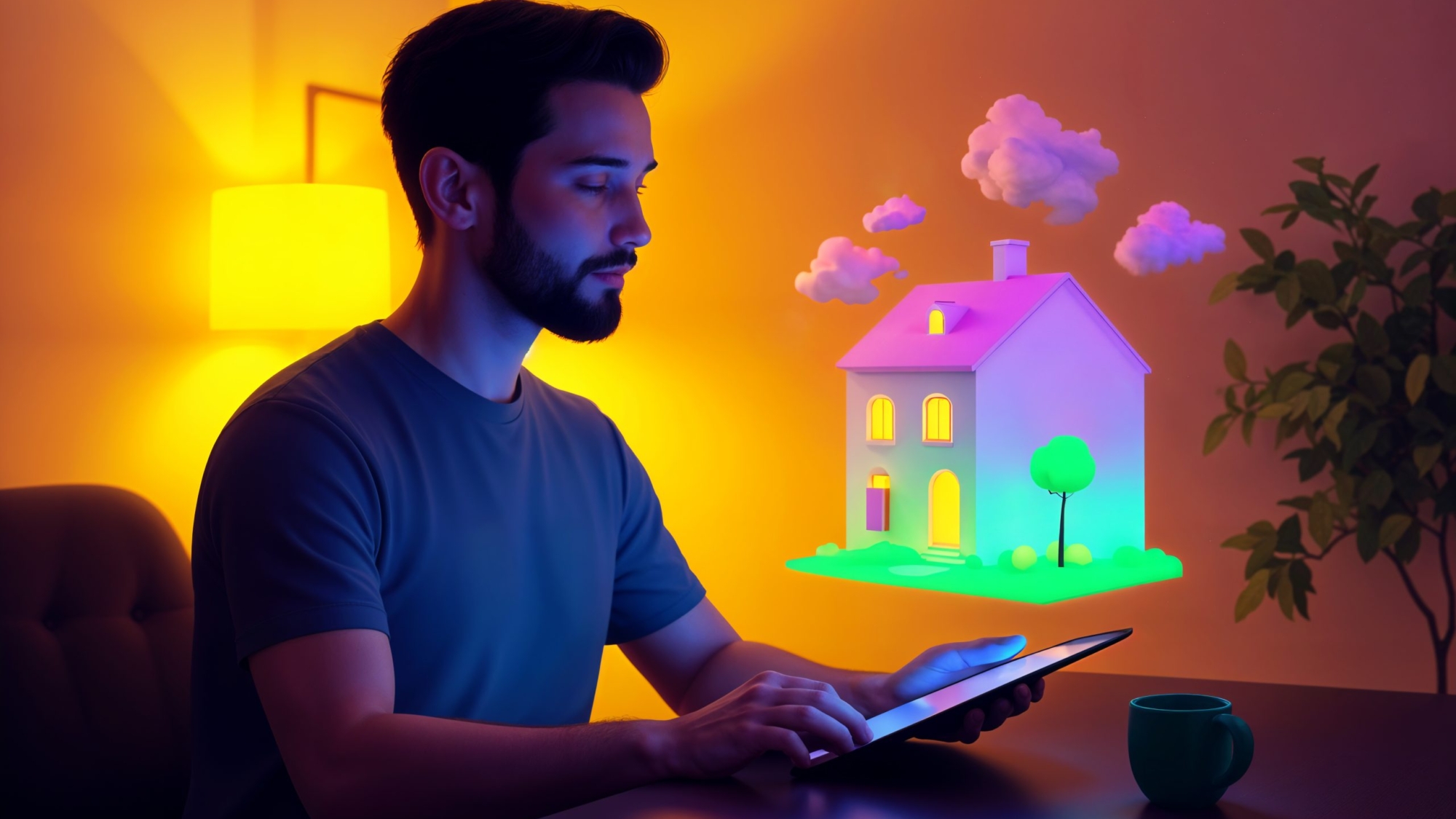
A modern home can contain connected appliances, intelligent controls, digital displays, automated systems, sensors, speakers, and countless small devices designed to make everyday life easier. Yet the number of technologies inside a home does not necessarily determine how intelligent that home feels.
A truly thoughtful smart home is not defined by how many devices it contains. It is defined by how naturally technology fits into the way people live.
This shift in perspective changes the conversation. Instead of asking which gadget should be added next, homeowners can begin asking a more meaningful question: what should the home make easier, more comfortable, or more enjoyable?
Technology as a Layer of the Home
For decades, technology was often treated as something separate from the physical environment. A television occupied one part of a room. A computer sat on a desk. Appliances performed individual tasks. Controls were attached to specific objects.
Connected technology is gradually creating another layer—one that exists across the home rather than inside a single device.
Lighting, entertainment, appliances, climate systems, security equipment, and everyday controls can increasingly interact within the same environment. This creates the possibility of designing the technological experience alongside the physical space instead of adding devices one at a time.
The distinction matters because good technology should feel like part of the home rather than an installation placed on top of it.
Fewer Distractions, More Intention
One of the challenges of modern technology is abundance. Almost every household task can potentially receive a digital solution, but that does not mean every task needs one.
Adding technology without a clear purpose can create clutter of another kind. Screens, notifications, applications, controls, and connected devices can compete for attention.
A thoughtful smart home takes a different approach.
Each technological element should have a reason to exist. Some devices may improve convenience. Others may make information easier to access. Some may create better control over the environment, while others simply make a familiar routine more enjoyable.
The goal is not maximum automation. It is meaningful integration.
The Home Should Still Feel Like Home
There is an emotional side to technology that is easy to overlook.
A home is not only a functional environment. It is where people develop routines, prepare meals, relax, entertain friends, read, listen to music, work, rest, and create memories. Technology becomes valuable when it supports those experiences without overwhelming them.
This is why physical design still matters.
A beautiful room does not become better simply because it contains more electronics. In some cases, the most successful technology is carefully integrated into the architecture and furniture so that it complements the character of the space.
Modern home design can therefore treat technology as part of the overall aesthetic rather than an afterthought.
Compatibility Matters More Than Novelty
Another important part of a mature smart home is how well its different elements coexist.
A collection of impressive devices can become frustrating if every product operates differently. Multiple interfaces, incompatible systems, separate controls, and disconnected experiences can make a technically advanced home surprisingly difficult to manage.
Interoperability is therefore becoming increasingly important.
When different technologies communicate effectively, the experience becomes more coherent. Homeowners can think about what they want to accomplish rather than which device needs to be controlled first.
This is an important transition from device-centered thinking to experience-centered design.
Good Technology Leaves Room for Choice
Automation can be useful, but complete automation is not always desirable.
People change their minds. Routines change. Circumstances change. A system that assumes it always knows what should happen can become restrictive rather than helpful.
A well-designed smart home should leave room for direct control.
Physical switches, manual controls, adjustable settings, and simple overrides remain valuable even in highly connected environments. Technology should expand a person's choices rather than quietly remove them.
This balance creates a healthier relationship between people and automated systems. Convenience remains available, while personal control remains intact.
Designing for the Future Without Chasing It
Technology changes quickly. Devices that feel advanced today can become outdated as new standards, interfaces, and capabilities appear.
This makes long-term thinking especially important.
A smart home does not necessarily need to be built around the newest hardware available. Flexible infrastructure, replaceable components, adaptable systems, and widely supported technologies can create a foundation that evolves over time.
Future-ready design is therefore less about predicting exactly what will come next and more about avoiding unnecessary rigidity.
A home should be able to change without requiring a complete technological transformation every few years.
When Technology Fails
An often-overlooked characteristic of good technology is how gracefully it handles failure.
Internet connections disappear. Batteries run out. Software encounters errors. Devices become disconnected. Hardware eventually reaches the end of its useful life.
A well-designed home should remain usable when technology temporarily stops cooperating.
This means maintaining practical alternatives and avoiding situations where a simple household function depends entirely on a single digital system.
Reliability is not only about technology working perfectly. It is also about the home remaining functional when something does not work as expected.
The Value of Human-Centered Design
The most important element in a smart home is still the person using it.
Technology should adapt to human needs, physical spaces, personal routines, and changing circumstances. It should be understandable enough to use without constant explanation and flexible enough to accommodate different preferences.
This requires a shift away from asking what technology can do toward asking what people actually need.
The distinction sounds simple, but it can completely change the design process.
Instead of starting with a product, the process begins with an experience. Instead of adding a feature because it exists, the feature earns its place by solving a real problem. Instead of measuring success by the number of connected devices, success is measured by how naturally the home supports everyday life.
A Smarter Definition of Smart
The future of home technology may not belong to the homes with the most gadgets. It may belong to homes where technology has been chosen with greater intention.
A smart home can be sophisticated without feeling complicated. It can be connected without becoming dependent on screens. It can be automated while preserving personal control. It can embrace new technology without losing the character that makes a house feel personal.
That is a more meaningful definition of intelligence.
The real achievement is not turning every object into a digital device. It is creating an environment where technology, architecture, routine, comfort, and human choice work together naturally.
In that sense, the smartest home is not necessarily the one that does the most.
It is the one that makes everyday life feel a little more considered, a little more effortless, and a little more human.