

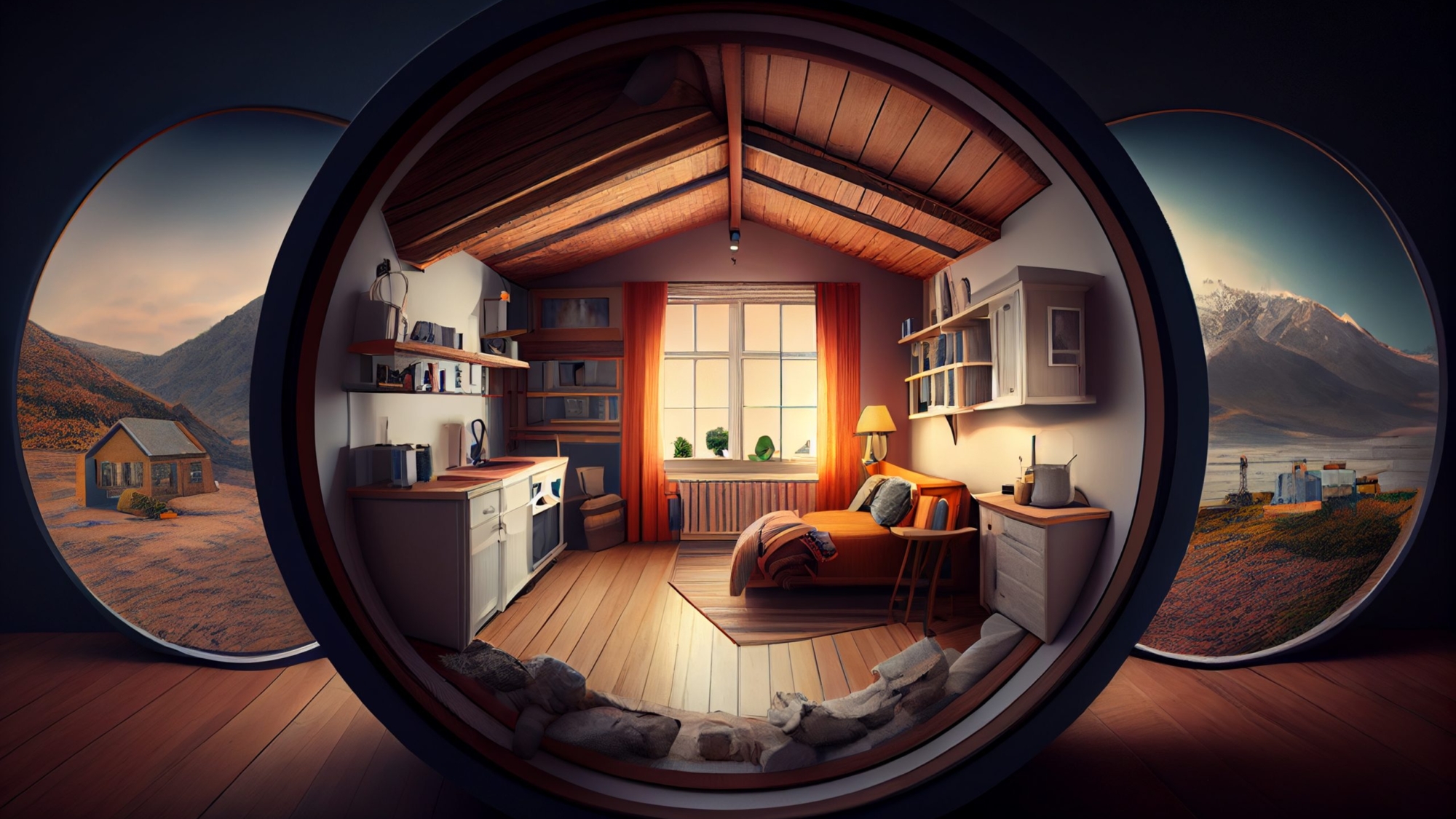
Photography has changed the way people search for homes.
A carefully composed image can make a room appear larger, brighter, cleaner, and more inviting. Virtual tours can create an impressive sense of movement through a property. Staging can demonstrate how furniture might fit into a room.
These tools are useful, but they represent a curated version of reality.
A thoughtful buyer learns to move from visual appeal toward lived experience.
Photographs Have a Purpose
Listing photographs are intended to present a home attractively.
That does not make them misleading by definition. It simply means they are selected views.
A photograph rarely shows every corner of a room, every transition between spaces, or the practical relationship between rooms.
It also cannot communicate sound, smell, temperature, traffic patterns, storage limitations, or how the home feels during ordinary activity.
That is why photographs should begin the evaluation rather than finish it.
Look Beyond the Main Rooms
Marketing photography usually emphasizes the spaces most likely to create an immediate impression.
Buyers should also pay attention to less glamorous areas.
Where are mechanical systems located?
How accessible are utility spaces?
Where is laundry handled?
Is there practical storage?
How do bathrooms connect to bedrooms?
What does the entry look like?
Are there awkward transitional areas?
These details can influence daily life just as much as a beautifully renovated kitchen.
Imagine the Furniture You Already Own
Staging can make rooms look spacious and balanced.
One useful exercise is to mentally remove the staged furniture and imagine personal belongings instead.
Where would the sofa go?
Would the dining table fit?
Where would a desk be placed?
Would bedroom furniture leave enough walking space?
Could storage units fit without overwhelming the room?
This exercise helps transform a visually attractive room into a practical spatial calculation.
Notice What the Camera Does Not Show
During an in-person visit, look carefully at edges and transitions.
Inspect corners, ceilings, baseboards, window frames, flooring transitions, doors, closets, and utility areas.
These places can reveal details that are easy to overlook when attention is focused on the center of the room.
Again, a small observation is not automatically a defect.
The purpose is simply to build a fuller understanding of the physical environment.
Visit With Different Expectations
A home may feel completely different depending on the time of day and level of activity.
Morning light can create a different atmosphere from evening light. A quiet weekend can feel different from a normal weekday. Weather can influence how outdoor spaces and drainage behave.
When practical, considering different conditions can add useful perspective.
No single visit can reveal everything, but multiple perspectives can reduce the risk of forming an opinion around one carefully chosen moment.
Virtual Tours Have Limits
Digital tours are useful for narrowing a search, especially when many homes need to be considered.
They can help buyers understand layout, room relationships, and approximate proportions.
However, screens flatten certain experiences.
A camera may use a wide lens that makes a room appear larger. The screen cannot reproduce acoustic qualities or subtle smells. It may also hide areas that are outside the camera's path.
Virtual viewing is therefore a valuable filter, but physical evaluation remains important when a home becomes a serious candidate.
The Exterior Matters Too
A home's interior can dominate attention, but exterior conditions deserve their own evaluation.
Look at drainage, grading, roofing, exterior surfaces, walkways, entrances, landscaping, outdoor structures, and visible signs of wear.
Think about how these elements function rather than simply how they appear.
A beautifully landscaped yard may require significant ongoing care. A simple outdoor area may be easier to maintain and more suitable for the household.
Ask How the Home Will Feel on an Ordinary Tuesday
This may be the most useful question of all.
Not the day of the viewing.
Not the first evening after moving in.
An ordinary day.
Imagine waking up, preparing meals, working, cleaning, storing belongings, receiving deliveries, doing laundry, relaxing, and going to sleep.
Does the layout still make sense?
Does the home support those routines naturally?
The answer may reveal more than a staged photograph ever could.
Beauty Has Value, But Function Gives It Meaning
There is nothing wrong with wanting a beautiful home.
Visual appeal can contribute to enjoyment and personal satisfaction.
The key is recognizing that beauty and functionality serve different purposes.
A beautiful kitchen is more valuable when it is also practical.
An attractive bedroom is more useful when it supports rest.
A stylish living room becomes more meaningful when people actually enjoy spending time there.
The strongest homes combine appearance with everyday usability.
See the Home, Not the Presentation
A thoughtful buyer eventually needs to separate the presentation from the property itself.
The presentation may create excitement.
The property needs to withstand closer examination.
When buyers learn to look beyond staged rooms, polished photographs, and carefully selected angles, they begin to see the home as a physical environment rather than an image.
That shift can lead to more grounded expectations and a clearer understanding of what the home may actually be like to live in.