
Our Favorite Flowers for a Fall Arrangement

Fall decorating doesn’t have to mean covering every surface in pumpkins, plaid, and seasonal signs.

Sometimes, the feeling of fall comes from something much quieter.

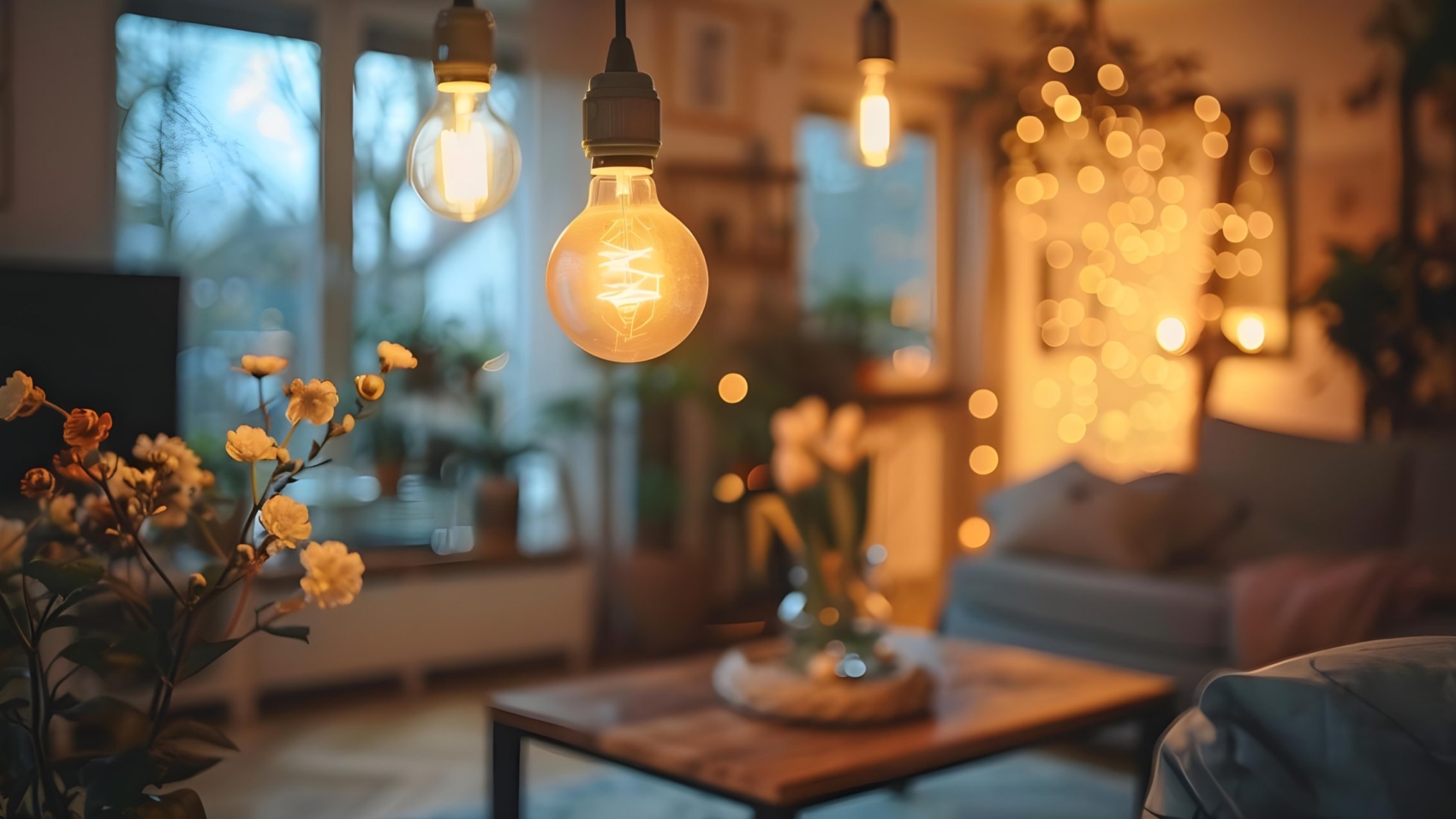
The sun disappears a little earlier. Lamps start glowing in the corners of the room. A candle burns on the coffee table. Blankets become part of the everyday routine, and suddenly the house feels warmer, deeper, and a little more inviting.

That shift is what makes a room feel like fall.

The most successful seasonal spaces usually aren’t built around one obvious decoration. Instead, they combine warm light, richer color, and layers of texture until the room begins to feel different without looking completely transformed.

There are plenty of ways to introduce texture this time of year. Wool throws, velvet pillows, woven baskets, leather accents, aged wood, and heavier fabrics can all make a room feel more grounded.

But one of the easiest changes might be right in front of you: branches.

The Easiest Way to Bring Fall Indoors

In warmer months, decorating tends to feel lighter.

Large flowers, airy greenery, soft colors, and abundant blooms can make a room feel fresh and open. As the season changes, it can be nice to let the decorations change with it.

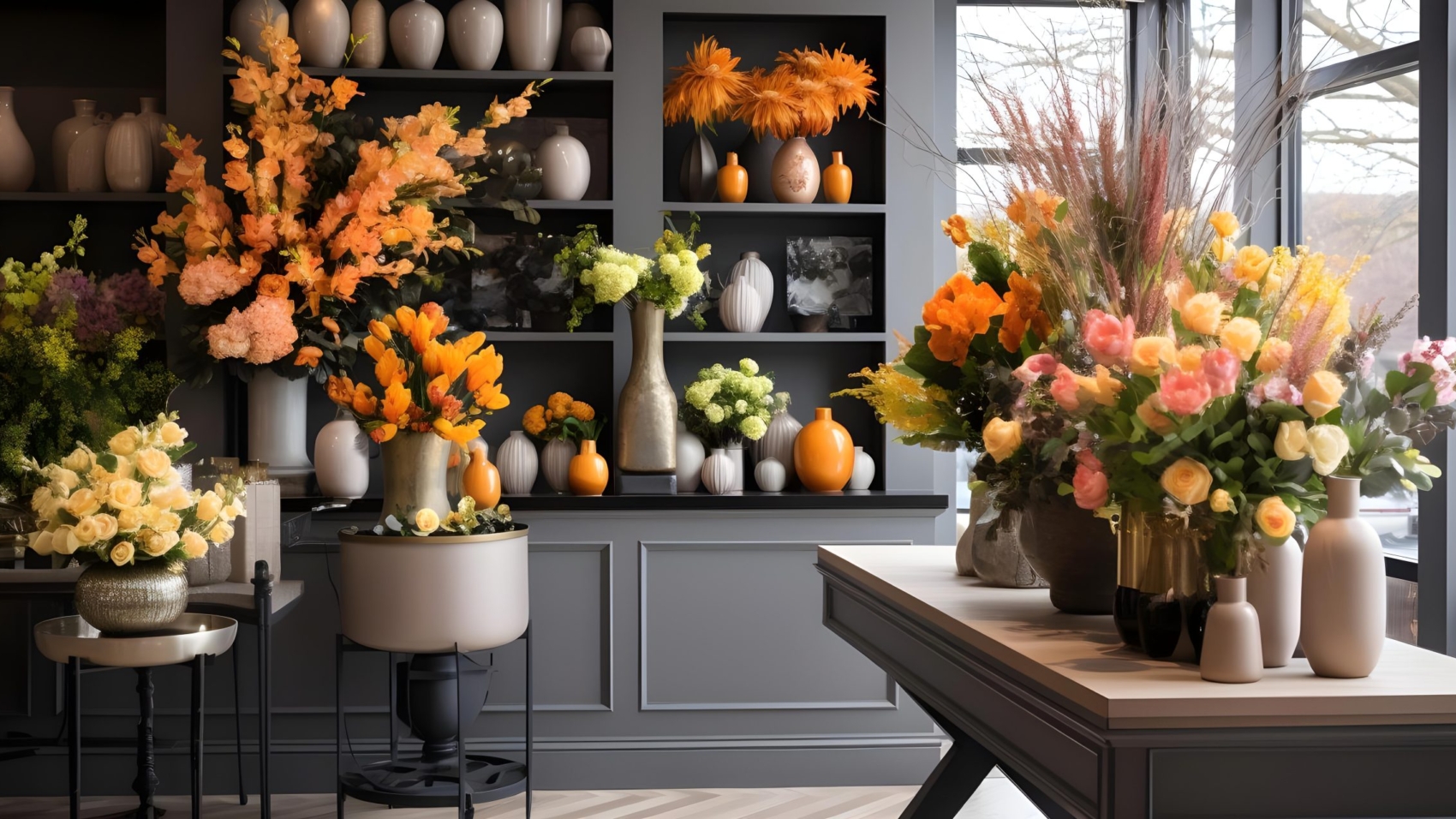
Instead of oversized summer blooms, try branches with crisp leaves, muted greens, rusty browns, faded reds, or deep plum tones.

They don’t have to scream “fall.”

In fact, the most convincing seasonal arrangements often feel as though they could have been gathered from outside and casually brought indoors.

That’s what makes branches so useful. They add color and movement without taking over the room.

A few stems in a tall vase can completely change an entryway. A loose arrangement on a dining table can make an everyday meal feel more seasonal. A single branch on a kitchen counter can add just enough color to signal that the season has shifted.

And unlike many holiday-specific decorations, branches can stay out for weeks without feeling dated.

Why Faux Branches Work So Well

Real branches are beautiful, but they aren’t always practical.

They dry out, shed leaves, need water, and can be difficult to keep looking fresh for very long. Faux stems solve that problem while still giving you the height, movement, and texture you’re looking for.

The trick is choosing ones that don’t look too perfect.

The goal isn’t to make an arrangement look artificial in a more convincing way. It’s to make it look slightly imperfect — the way something growing in nature would actually look.

That means branches shouldn’t all point in the same direction.

Leaves shouldn’t be evenly spaced.

Stems shouldn’t all be the same height.

And the arrangement shouldn’t look like it was assembled with a ruler.

A little irregularity goes a long way.

The First Step Happens Before the Vase

One of the biggest mistakes people make with faux stems happens immediately after taking them out of the packaging.

They place them straight into a vase.

The branches are still compressed from shipping, the leaves are sitting close together, and every stem is pointing in roughly the same direction. The result can look stiff and manufactured, even when the stem itself is beautifully made.

Instead, take a few minutes to reshape everything.

Pull individual leaves and smaller branches away from one another. Bend the stems gently. Rotate some branches outward and allow others to angle slightly inward.

Think about how a real tree grows.

Nothing in nature is perfectly symmetrical.

Some branches reach toward the light. Others curve away. Leaves overlap at different angles, and individual stems have their own direction.

Try to recreate that irregularity.

This small adjustment can completely change the way faux greenery or branches look.

Don’t Be Afraid to Bend Them

It can feel strange to manipulate a new decorative stem, especially when it arrives looking perfectly arranged.

But that’s exactly why it needs to be adjusted.

Bend the branches until they begin to have some movement. Create a little height difference. Let a few leaves sit farther away from the center of the arrangement.

You don’t want every branch to create an identical silhouette.

Instead, think about creating a loose shape with plenty of breathing room.

Sometimes the most natural-looking arrangement is the one that looks like you barely arranged it at all.

That effortless quality usually takes a little more effort than people realize.

Use Floral Foam When You Need More Control

There are times when simply placing branches into a vase isn’t enough.

This is especially true when you’re trying to create a sparse arrangement with only a few dramatic stems.

Without anything holding them in place, the branches tend to slide toward the center of the vase. Eventually, everything leans together and the shape becomes much more compact than you intended.

A small amount of floral foam at the bottom of the vessel can help.

It gives each stem an anchor, allowing you to position branches exactly where you want them. You can angle one toward the left, another toward the right, and keep a taller branch reaching upward.

This is particularly useful when the arrangement is intentionally minimal.

Three or four branches can look much more impactful when they’re spread naturally rather than crowded together in the middle.

Keep Your Stems Long

Another useful trick is one that makes seasonal decorating much easier later.

Don’t immediately cut your stems to fit the vase.

Instead, bend the excess portion at the bottom back upward inside the vessel.

Why?

Because a stem that’s too long can always be adjusted.

A stem that’s too short can’t be made longer.

Keeping that extra length gives you options when you move the arrangement into another room, switch to a taller vessel, or restyle your home for a different season.

The same branches that work in a short vase on a console table might look completely different in a taller vessel on a mantel.

Think of your faux stems as pieces you’re going to reuse rather than decorations for one specific arrangement.

That small mindset shift can make a collection much more versatile.

Let the Vase Do Some of the Work

The vessel matters almost as much as the branches.

A beautifully shaped vase can make even a simple arrangement feel intentional.

For fall, vessels with warmer finishes tend to work especially well: aged ceramic, dark glass, natural stone, wood, metal, or textured pottery.

But don’t feel limited to traditional fall colors.

A neutral vessel can create a softer look, while a darker one can make muted branches feel richer and more dramatic.

The key is contrast.

If your branches are visually busy, choose a quieter vase. If the stems are simple and sparse, the vessel can have more shape or texture.

The two pieces should support each other rather than compete.

The Beauty of a Sparse Arrangement

More isn’t always better.

One of the easiest ways to make faux branches look artificial is to use too many.

When every inch of the vase is filled, the individual stems disappear into one another. The arrangement starts to look dense and overly constructed.

A few well-positioned branches can have much more impact.

Let some of the stems stand alone. Allow open space between leaves. Give the branches room to create shadows on the wall behind them.

That negative space is part of the arrangement.

It makes the stems feel lighter and more organic, and it allows the shape of each branch to become part of the room.

Choosing Colors That Feel Like Fall

Fall color doesn’t have to mean bright orange.

Some of the most beautiful seasonal palettes are surprisingly muted.

Think:

  • Weathered green
  • Rust
  • Faded burgundy
  • Deep plum
  • Warm brown
  • Soft amber
  • Dusty red
  • Muted gold
  • Natural tan

These colors tend to work beautifully with the materials already found in a home during fall — wood, leather, wool, linen, stone, and aged metals.

And because they’re relatively understated, they don’t necessarily need to be removed the moment October ends.

A branch with muted brown leaves can transition easily from early fall into Thanksgiving and even into the beginning of winter decorating.

Faux Doesn’t Have to Mean Disposable

High-quality faux stems can be surprisingly expensive.

If you’re filling a large vase or decorating several rooms, the cost can add up quickly.

But there is another way to look at the investment.

Unlike fresh flowers, a well-made faux branch doesn’t disappear after a week. It can be stored carefully and brought out year after year.

That makes the initial cost easier to justify, especially when you choose pieces with a natural shape and a timeless color palette.

Instead of thinking about faux stems as seasonal decorations, think of them as part of your home’s decorating collection.

You can pull them out every fall, move them between rooms, combine them with different vessels, and even use certain branches outside the traditional fall season.

The more versatile the piece, the more useful it becomes.

Look for the Expensive Look Without the Expensive Price

There are also plenty of budget-friendly options that can create a similar effect.

When shopping, don’t focus only on the price. Pay attention to the details that make a faux stem look convincing.

Look closely at:

  • The shape of the leaves
  • Variation in color
  • The texture of the branches
  • Whether the stems bend naturally
  • How densely the leaves are attached
  • Whether the finish looks matte or overly shiny

Sometimes a less expensive stem can look surprisingly realistic once it has been properly shaped and placed in the right vessel.

And because arrangements are usually viewed from a few feet away, small differences may be difficult to notice once the stems are mixed together.

You can also combine pieces.

There is no rule saying every branch in a vase has to come from the same collection or even have the exact same finish. Mixing subtle variations can actually make the arrangement feel more natural.

Think Beyond the Entryway

Once you have a few versatile stems, don’t limit them to one room.

Try a tall arrangement near the front door. Place a smaller branch on a kitchen counter. Add a few stems to a dining table. Use one dramatic branch on a mantel or bookshelf.

Even a bathroom can benefit from a small seasonal arrangement.

The goal isn’t to decorate every room equally.

Instead, repeat small hints of the same colors and textures throughout the house.

A rust-colored branch in the entryway might echo a muted pillow in the living room. A dark plum accent might reappear in the dining room. Warm wood tones can connect everything together.

Those repetitions make seasonal decorating feel intentional without becoming overly coordinated.

Make Fall Feel Like Fall

The best seasonal decorating doesn’t necessarily announce itself.

You walk into the room and simply notice that it feels warmer.

The lighting is softer. The colors are deeper. The fabrics feel heavier. A few branches catch the afternoon light. There are more layers, more texture, and a little less of that bright, airy feeling that belongs to summer.

That’s the atmosphere we’re really trying to create.

Faux branches are just one small piece of it, but they’re an especially easy one.

They bring the changing season indoors without requiring a complete room makeover. They can be rearranged, reshaped, stored, and brought back year after year. And when they’re chosen thoughtfully, they can look less like seasonal decor and more like something that simply belongs in the room.

So before you fill the house with obvious fall decorations, try starting with something quieter.

Turn on a lamp.

Light a candle.

Add a few imperfect branches to a vase.

Pull a wool throw over the arm of the sofa.

Let the colors deepen.

Sometimes that’s all it takes to make a home feel like fall.

9 Things That Won’t Be Coming Home With Us

There is something about the arrival of the “-ber” months that makes home feel especially important.

The light changes. Evenings arrive a little earlier. The air starts to feel different. Suddenly, we want heavier fabrics, richer colors, candlelight, and rooms that feel layered enough to match the season outside.

For years, decorating for fall often meant one thing: adding fall decorations.

The boxes came out of storage, pumpkins appeared on every available surface, seasonal flowers filled the vases, and throws were draped over every chair. By the time everything was finished, the house certainly looked like fall—but sometimes it felt more like a themed display than a home naturally moving into a new season.

This year, there is a different approach.

Instead of decorating about fall, think about decorating in a way that simply feels like fall.

That distinction changes everything.

Rather than relying on obvious seasonal symbols, look for the colors, materials, patterns, and textures that naturally evoke the season. Deep oxblood, olive, moss, plum, muted blue, warm brown, antique silver, and polished nickel can create an autumnal atmosphere without a single pumpkin in sight.

Then bring in texture.

Velvet.

Jacquard.

Tassels.

Fringe.

Woven fabrics.

Aged metals.

Dark wood.

These details make a room feel richer and more layered while remaining useful long after the season has changed.

The goal isn’t to make your home look like a fall display.

It’s to make it feel like the season has quietly arrived.

Here are some of the traditional fall decorating choices worth reconsidering—and what to use instead.

1. We’re Not Buying More Pumpkins

Let’s start with the obvious one.

This doesn’t mean pumpkins are banned from the house forever. Some traditions are simply too enjoyable to give up. A few may still find their way onto the porch or into an outdoor arrangement.

But indoors, there are plenty of ways to create the same seasonal richness without filling every room with pumpkins.

One of the easiest alternatives is seasonal fruit.

Pears, plums, apples, figs, and other richly colored produce can create a beautiful autumnal display while still looking like part of the home rather than holiday decor.

Plums are especially striking because of their deep purple color. Piled into a glass bowl, arranged on a silver stand, or scattered across a dining table, they introduce color, shape, and texture all at once.

And unlike a pumpkin centerpiece, a bowl of fruit still feels completely natural in a kitchen or dining room.

The effect is seasonal without being literal.

2. We’re Mixing Metals Instead of Matching Them

A room where every metal finish is identical can look polished, but it can also feel overly coordinated.

Fall is a perfect time to loosen things up.

Instead of choosing one metal and repeating it everywhere, try combining warm and cool finishes.

Brass can sit beside polished nickel.

Aged silver can work with bronze.

Antique finishes can be paired with something brighter and more contemporary.

The contrast gives the room a collected quality.

Rather than looking like everything was purchased at the same time, the space begins to feel as though it has evolved.

That is especially effective in kitchens, dining rooms, and living spaces where metal accents naturally appear in lighting, picture frames, trays, candlesticks, hardware, and decorative objects.

3. We’re Moving Away From Oversized, Round Lamps

Some decorating trends have a wonderfully long life, but eventually your eye starts looking for something different.

Instead of oversized, rounded lamp bases, consider taller and more slender silhouettes.

A narrow lamp can draw the eye upward while taking up much less valuable surface area.

That matters on a nightstand, where there is already competition between a lamp, books, a glass of water, and a few personal objects.

A tall, elegant base can create a more vertical composition without making the surface feel crowded.

For bedrooms especially, look for lamps with interesting materials such as glass, crystal, ceramic, aged metal, or stone, and pair them with classic shades.

The result feels less seasonal and more architectural.

4. We’re Skipping Literal Fruit Art

Fruit has long been associated with traditional autumn decorating, but that doesn’t mean it needs to appear in artwork.

Instead, look toward dark botanical imagery.

Deep green leaves, unusual flowers, branches, seed pods, insects, and botanical illustrations can bring the same richness while feeling more sophisticated.

Look for artwork with muted backgrounds and darker tones rather than bright, cheerful colors.

These pieces can work beautifully during fall but don’t necessarily need to be removed once winter arrives.

That’s the real advantage.

A good seasonal piece shouldn’t necessarily have a short lifespan.

It should be something you love enough to keep looking at.

5. We’re Using Animal Prints More Intentionally

Tortoiseshell has become a familiar way to introduce pattern into interiors, but there are plenty of other animal-inspired patterns worth exploring.

Tiger stripes, zebra patterns, leopard spots, and other organic motifs can bring energy to a room without overwhelming it.

The trick is scale.

You don’t need an entire sofa covered in animal print.

Try a small pillow.

A lampshade.

A footstool.

A framed textile.

A decorative box.

Used in small doses, animal patterns function almost like a neutral. They add movement and visual interest while working surprisingly well with deep autumn colors.

Pair them with olive green, chocolate brown, burgundy, cream, or charcoal for a palette that feels rich without becoming overly themed.

6. We’re Rethinking Traditional Fall Flowers

Mums are an obvious choice for autumn, which is exactly why they can begin to feel predictable.

Instead, consider flowers and branches that become more interesting as they age.

Dried seed heads, sculptural branches, dried grasses, and flowers with muted or fading petals can create a more natural, collected arrangement.

One particularly beautiful approach is to embrace flowers after they’ve lost their traditional shape.

When petals fall away, the remaining stems and seed heads can become almost sculptural.

Place several stems into a vintage-style metal vase or a simple ceramic vessel, and you have an arrangement that feels distinctly seasonal without looking like a traditional fall centerpiece.

The beauty is in the imperfection.

7. We’re Choosing Texture Over Decorative Objects

When a surface feels empty, the instinct is often to add another object.

But sometimes the room doesn’t need another object.

It needs texture.

Instead of filling shelves and tables with small decorative pieces, introduce tassels, fringe, woven details, velvet, embroidered fabrics, or richly textured accessories.

Texture creates visual interest without creating clutter.

A fringed accessory on a coffee table can make a stack of books feel more finished.

A velvet pillow can deepen the look of a sofa.

A woven basket can soften a room filled with hard surfaces.

A heavily textured fabric can turn an otherwise simple corner into something that feels considered.

It’s a quieter way to decorate, but often a more lasting one.

8. We’re Skipping the Predictable Plaid Blanket

Few things announce fall more quickly than a plaid throw.

And while there’s absolutely nothing wrong with one, there are other ways to bring the same seasonal comfort into a room.

Try a dark floral jacquard.

A woven botanical pattern.

A velvet throw.

A textured wool.

A blanket with subtle geometric details.

Look for fabrics in olive, burgundy, chocolate, deep blue, cream, or muted green.

The goal is to create something that feels substantial enough for cooler weather without looking like it was purchased specifically for one holiday season.

A beautiful throw should be able to stay on the sofa well into winter.

9. We’re Using Fewer Candles, But More Intentionally

Candles are one of the easiest ways to make a room feel like fall, but you don’t need to cover every surface with them.

Instead, think about placement.

A single taper on a nightstand can create a quiet moment.

Several candles at different heights can transform a mantel.

A pair of candlesticks on a dining table can make an ordinary dinner feel special.

The beauty of taper candles is their simplicity.

They add height, movement, warmth, and atmosphere without taking up much visual space.

And because candlelight changes throughout the evening, the room never looks exactly the same twice.

Let Color Do More of the Work

One of the easiest ways to make your home feel ready for fall is to introduce a richer color palette.

You don’t have to repaint your walls or replace your furniture.

Start small.

Change a few pillows.

Bring in darker artwork.

Add a deeper-toned throw.

Swap light accessories for pieces in olive, oxblood, plum, charcoal, or deep blue.

Even a small amount of saturated color can make a room feel noticeably different.

The key is repetition.

If you introduce olive green in one room, echo it somewhere else.

If you bring in burgundy, let it appear in another small detail.

Repeating colors throughout the home creates continuity without making everything match.

Texture Is the Secret Ingredient

Color gets most of the attention when people talk about seasonal decorating, but texture may be even more important.

A room filled with the right colors can still feel flat if every surface has the same finish.

This is where velvet, jacquard, fringe, woven fabrics, aged metal, glass, and wood become important.

Imagine a velvet pillow against a linen sofa.

A polished metal tray beside an aged wooden box.

A glass vase next to a heavily textured textile.

A fringed throw over a structured chair.

The contrast creates depth.

And because texture doesn’t necessarily scream “fall,” many of these additions can stay in place throughout the year.

Decorate for the Season, Not the Holiday

This may be the biggest shift of all.

Instead of thinking, “What decorations make this room look like fall?”, ask:

“What would make this room feel richer, deeper, and more inviting as the weather changes?”

That question opens up many more possibilities.

You might discover that you don’t need a pumpkin arrangement.

You need darker flowers.

You don’t need a seasonal blanket.

You need heavier fabric.

You don’t need a collection of autumn signs.

You need better candlelight.

You don’t need another decorative object.

You need a more interesting texture.

The result is much more subtle—and often much more beautiful.

The Best Fall Decor Doesn’t Have to Be Temporary

There is something especially appealing about decorating this way because it eliminates the pressure to take everything down as soon as the calendar changes.

A deep green pillow can work in October and January.

A dark botanical print can remain on the wall all winter.

A silver tray can be used year-round.

A velvet throw can move effortlessly from fall into the holidays and beyond.

A brass or nickel candlestick doesn’t belong to any particular season.

This is seasonal decorating with longevity built in.

You’re not buying objects for a few weeks.

You’re adding pieces that can become part of the home’s larger visual language.

Make the Transition Feel Natural

The best seasonal interiors don’t look like they changed overnight.

They evolve.

One week, the room may have a few lighter fabrics and brighter colors.

The next, deeper pillows appear.

A vase gets filled with branches.

Candles become more prominent.

A few metallic accents are introduced.

The lighting becomes warmer.

The transition happens gradually, and the room begins to feel like fall without ever becoming overwhelmingly themed.

That is what makes the approach so livable.

A More Collected Kind of Fall

There is no rule saying that fall decorating has to involve a specific checklist of objects.

In fact, the most interesting autumn interiors often come from ignoring that checklist altogether.

Use color instead of motifs.

Texture instead of themed accessories.

Candlelight instead of novelty decorations.

Fruit instead of pumpkins.

Botanical artwork instead of seasonal signs.

Mixed metals instead of perfectly matched finishes.

Branches and aged flowers instead of predictable arrangements.

And above all, choose things you would genuinely want to keep in your home even after the leaves have fallen.

Fall doesn’t have to arrive as a collection of decorations pulled from a storage box.

It can arrive quietly—in deeper colors, richer textures, softer light, and a few thoughtful changes that make the whole house feel ready for the season.

That approach doesn’t just make decorating easier.

It makes fall feel like part of your home rather than something temporarily placed inside it.

How to Capture That Vintage Ralph Lauren Look

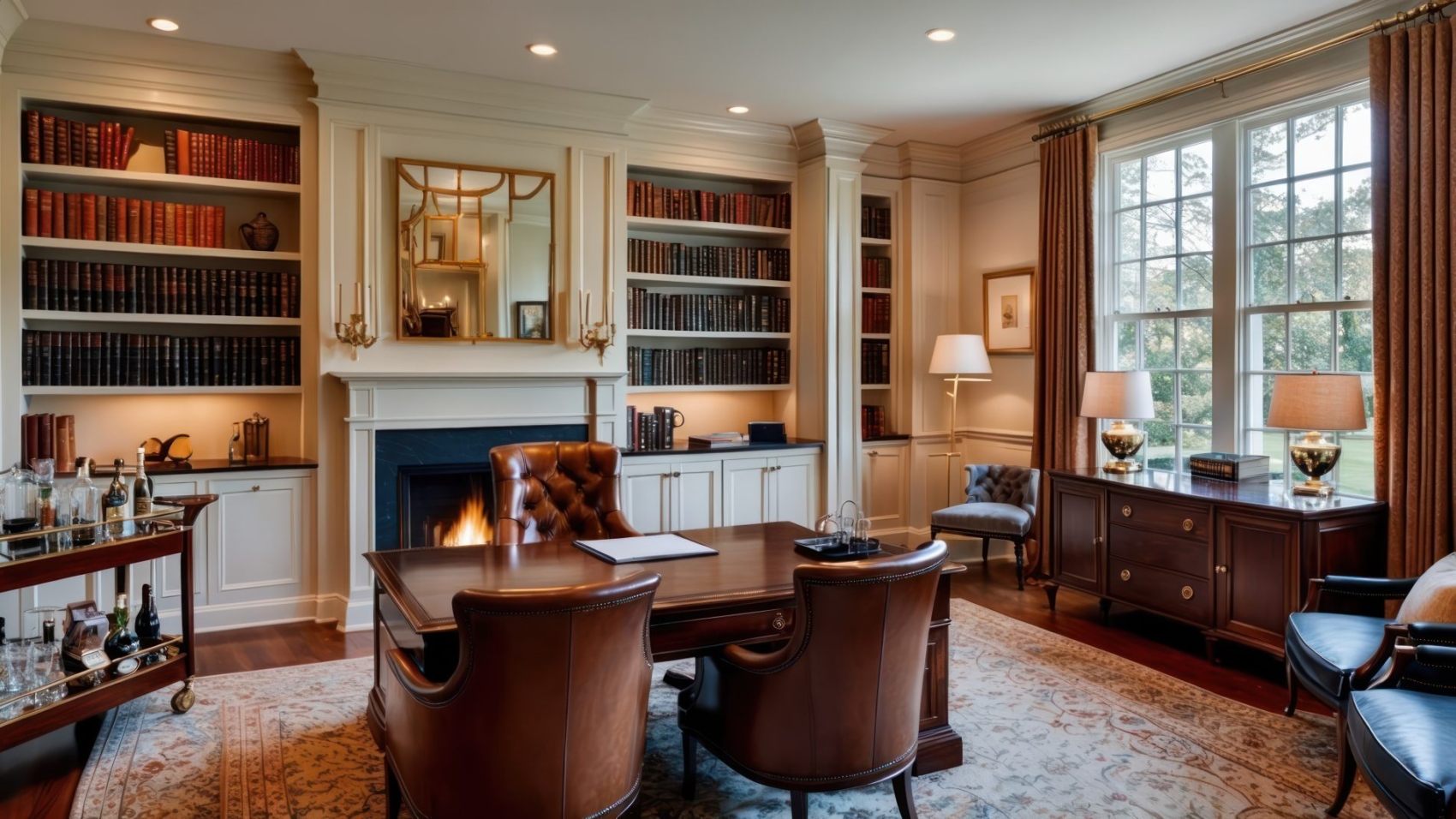
There are some interiors that never seem to belong to a particular decade. They feel established without feeling old, comfortable without feeling casual, and polished without looking overly designed. This classic, equestrian-inspired style is one of those looks.

Picture a worn leather chair with softened edges, a patterned wool throw casually draped across the back, warm brass lighting, traditional artwork, dark wood, and a rug that looks as though it has been part of the room for years. The overall effect is refined but relaxed — traditional, layered, and unmistakably lived-in.

What makes this style so appealing is that it doesn’t depend on perfection. In fact, a little wear and character are part of what gives the room its personality. Materials become more beautiful as they age, patterns feel better when they aren’t perfectly coordinated, and furniture looks more interesting when it seems to have a story behind it.

At its heart, this aesthetic combines classic tailoring with rustic warmth. It draws inspiration from equestrian traditions, heritage interiors, classic Americana, old libraries, country houses, and timeless menswear. But rather than reproducing any one of those influences literally, the goal is to create a room that feels collected over time.

And that’s really the secret: the room should look assembled, not purchased.

Start With a Focused Color Palette

The color palette is one of the easiest ways to establish this look because it creates a visual thread that allows all of the patterns and textures to work together.

Think deep green, navy, chocolate brown, warm burgundy, and rich saddle tones. These colors can appear throughout the room in different ways — on the walls, in upholstery, through rugs, in artwork, or in smaller decorative details.

The key isn’t to use every color equally. Instead, choose one or two dominant shades and let the others appear naturally throughout the space.

For example, a deep green wall might be repeated in a patterned pillow, while a warm burgundy appears in a rug and a piece of artwork. A dark brown leather chair can then bridge the palette through both color and texture.

Repetition is what makes a layered room feel intentional.

When the same color appears in several different places, your eye begins to connect those elements. The room feels cohesive without looking overly coordinated.

And if dark walls feel intimidating, there’s no need to start there. Introduce the palette gradually through furniture, textiles, artwork, and accessories. Once you see how those pieces work together, you can decide whether the walls need a deeper treatment.

Let Pattern Do the Talking

This style isn’t afraid of pattern.

Plaids, tartans, stripes, houndstooth, checks, and traditional motifs can all work beautifully together. The trick is not necessarily to use fewer patterns — it’s to use different scales and visual weights.

A large-scale plaid might work on a chair or ottoman. A medium stripe could appear on a pillow or throw. A smaller check or houndstooth can fill in the details.

When patterns are all competing at the same scale, the room can feel chaotic. When they vary in size, they create rhythm.

Color is equally important. If several patterns share the same core palette, they can coexist surprisingly well.

You don’t need to decorate the entire room in one afternoon, either. Start with two patterns you genuinely love. Live with them for a while, then introduce another layer when the room starts to tell you what it needs.

The result should feel collected rather than calculated.

Build the Room Around Texture

If there is one element that can instantly make this style feel authentic, it’s texture.

Leather brings age and warmth. Wool adds softness. Tweed introduces visual depth. Linen keeps the room from becoming too heavy. Dark wood adds richness, while aged brass contributes a subtle glow.

Think about materials that become more interesting with time.

A leather chair with natural variations is often more compelling than a perfectly pristine one. Brass with a slightly aged finish can feel warmer than something highly polished. Wood with visible grain gives a room a sense of permanence.

The goal isn’t to make everything look old. It’s to combine materials that have enough character to prevent the room from feeling brand-new.

That’s also what makes this approach surprisingly accessible. You don’t need every piece to come from a high-end collection. A well-chosen secondhand lamp, vintage frame, wool throw, or weathered wooden table can contribute more character than a room filled with perfectly matched new pieces.

The Leather Chair That Starts It All

If you’re not sure where to begin, start with one substantial piece.

A leather club chair is an especially effective starting point because it immediately introduces color, texture, structure, and a sense of history.

From there, build outward.

Add a soft throw. Bring in a patterned pillow. Place a warm-toned rug underneath. Introduce a brass lamp nearby. Add artwork above or beside it.

One strong piece can give the rest of the room a direction.

And don’t worry if the leather isn’t flawless. Small marks, variations, and signs of use can actually make the room feel more authentic.

Warm Metals and Dark Wood

Metal and wood help balance the softer layers of textiles and upholstery.

Aged brass works particularly well because it adds warmth without creating too much shine. Brass lamps, sconces, frames, trays, and small decorative objects can all contribute to the look.

Dark woods such as walnut and mahogany can provide the same sense of depth.

The important thing is to avoid making every finish identical. A room becomes more interesting when the wood tones, metals, and textures have subtle variation.

A little imperfection keeps the space from feeling like a showroom.

Create a Collected Gallery Wall

Artwork is another major part of this aesthetic.

Traditional frames in warm wood, aged brass, or darker finishes can instantly make a room feel more established. Landscape paintings, vintage-style prints, botanical studies, black-and-white photography, and antique-inspired artwork can all contribute to the atmosphere.

You don’t need a perfectly coordinated gallery wall.

In fact, a collection of pieces that appear to have been gathered at different times often feels much more convincing. Mix sizes, frames, subjects, and textures while keeping the overall color story connected.

For surfaces, think in layers rather than isolated objects.

A small stack of books, a decorative box, a vintage-inspired object, a bowl, or a simple arrangement of dried branches can make a console, coffee table, or shelf feel naturally styled.

The Finishing Touch: Imperfection

One of the easiest ways to lose the character of this style is to make everything too polished.

Perfectly matched furniture, high-gloss finishes, overly shiny metals, and identical patterns can make a room feel newly assembled.

Instead, allow some contrast.

Pair polished surfaces with aged ones. Combine structured furniture with soft textiles. Mix new pieces with vintage finds. Let a rug show a little wear. Allow brass to develop character. Choose materials that don’t all look as though they came from the same collection.

The beauty is in the tension between refined and relaxed.

Why Secondhand Pieces Work So Well

This is one of those design styles where shopping secondhand can actually make the room better.

The qualities you’re looking for — patina, variation, wear, craftsmanship, and character — are often easier to find in older pieces than in brand-new ones.

Look for leather chairs, traditional lamps, framed artwork, brass accessories, wooden furniture, wool blankets, patterned textiles, antique-style mirrors, and classic decorative objects.

Search broadly and be patient.

Furniture marketplaces, estate sales, vintage shops, antique markets, and local resale sources can all be useful places to find pieces with the right character. The goal isn’t to recreate someone else’s room piece by piece. It’s to find individual objects that feel as though they could naturally belong in yours.

Can This Style Work in a Small Room?

Absolutely.

In fact, a smaller room can be an ideal place to experiment with darker colors, richer textures, and layered patterns.

A deep wall color can make a compact space feel intimate rather than cramped. Heavy curtains, a leather chair, a warm lamp, and a patterned rug can create a cozy atmosphere without requiring a large footprint.

The key is balance.

If the walls are dark, introduce lighter textiles or small areas of contrast. If the room has several patterns, give the eye a few quieter surfaces. If the furniture is substantial, keep some open space around it.

A small room doesn’t need less personality. It simply needs a more deliberate arrangement.

The Bigger Idea

Ultimately, this style isn’t about copying a particular designer, room, or era.

It’s about creating a home that feels established, comfortable, layered, and personal.

Choose a restrained palette. Mix traditional patterns. Bring in natural materials. Add warm metals. Look for furniture with character. Let artwork feel collected. And don’t be afraid of a little wear.

The most successful rooms in this style don’t look as though they were finished in a single decorating session. They look as though they evolved over time — one chair, one painting, one lamp, and one favorite textile at a time.

That’s what makes the look feel timeless.

Quick Guide

What defines this classic equestrian-inspired style?
A layered traditional interior built around deep colors, natural materials, generous patterns, warm metals, dark wood, and pieces that feel collected over time.

Which colors work best?
Deep greens, navy, chocolate brown, burgundy, saddle tones, and warm neutrals create a strong foundation. Cream, oatmeal, and muted beige can provide contrast without disrupting the mood.

How many patterns can you mix?
As many as the room can comfortably handle. Focus on varying the scale of the patterns and keeping their colors connected rather than limiting yourself to a specific number.

Does everything need to be vintage?
Not at all. The goal is character, not age. Combine new pieces with vintage or secondhand finds so the room feels layered rather than themed.

What should you buy first?
Start with one substantial piece that establishes the direction of the room — a leather chair, traditional rug, dark wood table, or distinctive lamp can all serve as a strong foundation.

The Simple Lighting Upgrade That Changed Our Evenings

When we first started spending more time at our home near the water, we imagined all the things we would do once the sun went down: lingering outside after dinner, sitting near the water with a drink, talking late into the evening, and letting everyone wander between the house and the outdoor spaces without constantly checking the clock.

What we didn’t anticipate was just how quickly the darkness would change the way we used the property.

During the day, the path to the water felt effortless. At night, it became a completely different experience. A long walkway or ramp that seemed simple in daylight could suddenly feel awkward and uncertain. You couldn’t always see where the next step was, and carrying a flashlight while also carrying drinks, bags, or helping a child made the whole thing more complicated than it needed to be.

That was when outdoor lighting moved from the “someday” list to the top of the project list.

And surprisingly, we didn’t need a complicated lighting system to make a major difference.

The Simple Solution: Solar Post Cap Lights

The biggest improvement came from adding solar post cap lights along the railing.

Instead of installing wiring, running electrical lines, or bringing in an electrician, we used the posts that were already there as natural mounting points. The lights fit directly over the existing post tops, secure with a couple of screws, and charge during the day.

That’s it.

No trenching. No complicated wiring. No digging up the walkway. No major electrical project.

Once the old caps were removed and the new solar caps were positioned, the installation became surprisingly quick. After getting into a rhythm, each light took only a few minutes to install.

And because the railing posts were already evenly spaced, they created a natural lighting plan without requiring us to figure out where every fixture should go.

Sometimes the easiest lighting design is simply noticing what your outdoor space already gives you.

The Goal Wasn’t to Make It Bright

One of the most important things we learned is that outdoor pathway lighting doesn’t need to be powerful to be useful.

In fact, making the walkway extremely bright would have defeated the atmosphere we wanted.

The goal was simply to create enough light to define the path, highlight the railing, and help everyone see where they were walking. We wanted a soft glow rather than the feeling of turning on a floodlight.

At night, the difference was immediate.

The walkway became visible without becoming glaring. The railing created a subtle line of light leading toward the water, and the entire outdoor space felt warmer and more inviting.

Good outdoor lighting shouldn’t necessarily announce itself. Sometimes you notice the effect more than the fixture itself.

What You’ll Need

For a basic solar post cap lighting project, the supplies are surprisingly simple:

  • Solar post cap lights
  • A hammer
  • A pry bar or scraper
  • A drill or screwdriver
  • Safety glasses
  • A measuring tape

The exact tools may vary depending on your existing post caps and the type of replacement lights you choose, but most installations are straightforward.

Before ordering anything, though, there’s one measurement you absolutely don’t want to skip.

Measure Your Posts First

Post caps are generally sold according to nominal sizes, but the actual dimensions of your posts can vary depending on the material and construction.

A wood post, vinyl sleeve, or composite post may all be described as the same nominal size while having slightly different measurements at the top.

Many solar post caps come with adapters designed to accommodate a range of sizes, but it’s still worth pulling out a measuring tape before ordering a large quantity.

Measure the top of at least one post carefully, check the manufacturer’s specifications, and make sure the cap will fit securely.

Five minutes of measuring can save you from an entire box of lights that don’t quite work.

Removing the Old Caps

If you’re replacing existing post caps, this is usually the messiest part of the project.

Older outdoor materials can become brittle after years of exposure to sunlight, heat, cold, and moisture. Instead of forcing one corner upward, work gradually around the edges using a hammer and pry bar or scraper.

Some caps may come off easily. Others may crack or break as they loosen.

That’s normal, but it’s also the reason safety glasses are important. Small pieces of brittle plastic or vinyl can move quickly when a cap finally releases.

Take your time, protect your eyes, and avoid putting unnecessary pressure on one small section of the post.

Installing the New Lights

Once the old caps are gone, the new solar fixtures are generally much easier to install.

Position the cap over the post, make sure it sits evenly, and secure it according to the manufacturer’s instructions. Many models use a small screw on each side to keep the light firmly in place.

Before tightening everything, step back and make sure the fixtures are sitting at a consistent height and angle.

A few seconds of alignment can make the finished installation look much more intentional.

Give Solar Lights Time to Charge

This is an easy step to overlook.

Solar lights need sunlight before they can perform at their best after installation. Give the panels a full day of direct or reasonably strong sunlight before judging the brightness.

If you install them in the afternoon and check them later that same evening, don’t assume something is wrong if they aren’t glowing for hours.

The first night isn’t necessarily a fair test.

Let the batteries charge properly, then see how the lights perform after a full day in the sun.

Four Things to Consider Before Buying

The installation itself is simple. Choosing the right lights is where a little more thought can make a big difference.

1. Choose Warm Light

For a relaxed outdoor environment, look for warmer color temperatures, generally around 2700K to 3000K.

Cooler white lights can sometimes appear blue or overly clinical at night, especially when they’re installed near warm interior lighting.

Warm light tends to blend more naturally with the atmosphere of a home and makes wood, landscaping, stone, and other outdoor materials feel more inviting.

2. Don’t Automatically Choose the Brightest Fixture

More light isn’t always better.

Post cap lights are meant to provide orientation and atmosphere, not illuminate an entire yard.

A relatively low-lumen fixture can be enough to define a walkway and make the railing visible. If you need enough light to read, cook, entertain, or illuminate a larger outdoor area, you’re probably looking for a different type of fixture.

Think of post caps as guide lights rather than floodlights.

3. Decide on Your Spacing

Before buying your lights, look at the spacing of your posts.

Lighting every post creates a continuous line of illumination. Lighting every other post creates a more spaced-out rhythm.

Neither approach is automatically right or wrong. The important thing is to decide intentionally based on the length of the walkway, how much ambient light you already have, and how much visibility you actually need.

For stairs, ramps, and longer walkways, consistent spacing is especially important because it creates a predictable visual path.

4. Look at the Battery

Solar lights rely on rechargeable batteries, so the battery is one of the most important long-term considerations.

Before buying, check whether the battery can be replaced when it eventually loses its ability to hold a charge.

A fixture with a replaceable rechargeable cell can potentially be maintained for years, while a sealed unit may need to be replaced entirely once the battery reaches the end of its useful life.

It’s a small detail at purchase time that can make a big difference later.

The Difference Happens After Dark

The real test of an outdoor lighting project isn’t how the fixtures look during installation.

It’s what happens when you stop thinking about the lights altogether.

One evening, after dinner, we wanted to spend a little more time outside. Instead of gathering flashlights, turning on phone lights, or deciding that the walkway was too dark, everyone simply headed toward the water.

No one needed to think about where to step.

No one had to hold a flashlight.

The path was simply there, softly illuminated and easy to follow.

And that was when the value of the project really became clear.

Outdoor lighting isn’t only about visibility. It’s about changing the hours during which you can comfortably use your outdoor space.

A property that effectively shuts down when the sun goes down can become a completely different place when the right paths, steps, railings, and gathering areas are gently illuminated.

You don’t need a complicated lighting system to make that happen.

Sometimes, a few small solar lights in exactly the right places are enough to turn “It’s getting dark” into “Let’s stay outside a little longer.”

Fall Candles That Go Beyond Pumpkin Spice

The most overlooked design element in a home might also be the one that has the greatest power to change how a space feels. We spend so much time thinking about color, texture, lighting, furniture, and the little details that make a room look complete, but scent rarely gets the same attention. It almost never appears on the mood board, yet it can transform the entire experience of walking through the front door.

A room can be beautifully styled and thoughtfully decorated, but scent is what gives it a sense of atmosphere. It can make a space feel warmer, calmer, fresher, or more inviting without changing a single thing about the way it looks. Sometimes, it is the final layer that turns a house that looks finished into one that actually feels finished.

We burn candles throughout the year, but changing the fragrance with the seasons has become part of the rhythm of home. When fall arrives, though, we always find ourselves looking for something a little different. So many seasonal fragrances lean heavily into pumpkin, sugar, vanilla, and baked desserts. And while there is certainly a time and place for those scents, we wanted something that felt more like autumn itself.

Think crisp air coming through an open window. Dry leaves underfoot. Warm wood, soft smoke, earthy spices, ripe fruit, and the faint sweetness of something simmering on the stove. Fall has a much richer scent story than dessert alone.

This season, we’re drawn to fragrances that feel layered, warm, and lived-in — scents that make you want to settle into a comfortable chair, turn on a lamp, and stay there a little longer.

Here are five fall-inspired candle styles that capture that feeling beautifully:

1. Warm Cider & Copper

There is something instantly comforting about the scent of cider warming on the stove. Look for fragrances that balance crisp orchard notes with subtle spice rather than leaning too heavily into sweetness. Cinnamon, clove, apple, and a touch of citrus can create that familiar fall feeling while still keeping the fragrance fresh.

Paired with a warm metallic vessel or a simple container, this kind of candle can also become part of the decor rather than something you want to tuck away when it isn’t lit.

2. The Anti-Pumpkin

Not every fall fragrance needs to smell like pumpkin pie. For a cooler, more atmospheric interpretation of the season, look for notes inspired by the outdoors — pine, damp leaves, cedar, moss, and crisp morning air.

These scents bring the feeling of a fall walk indoors. They are earthy without being heavy and refreshing without feeling like a traditional spring fragrance.

3. Fig & Soft Woods

Fig is one of those scents that can move effortlessly between seasons. On its own, it can feel green and slightly fruity, but when combined with sandalwood, cedar, amber, or other warm woods, it takes on a deeper and softer character.

The result is the kind of fragrance that feels sophisticated without trying too hard — fresh at first, then warmer and more comforting as it fills the room.

4. Leather, Amber & Cedar

Some fragrances feel seasonal without containing a single traditionally “fall” note. Leather, amber, cedar, tobacco leaf, and warm woods create that feeling naturally.

They bring to mind worn-in materials, old books, wooden furniture, and rooms that have gathered character over time. Rather than announcing that it’s fall, these scents simply create the kind of warmth that makes the season feel present.

5. Dark Fruit & Books

For something moodier, try a fragrance built around ripe fruit and deeper, atmospheric notes. Plum, fig, blackcurrant, vanilla, wood, musk, and soft spice can create a rich scent without becoming overly sweet.

This is the candle for early evenings, dim lighting, a favorite book, and a room that feels especially cozy once the sun goes down. It has the warmth of fall without relying on the expected seasonal formulas.

The Scent of the Season

The best fall fragrance doesn’t necessarily need to smell like a pumpkin patch, a bakery, or a holiday market. Sometimes the most memorable seasonal scents are the ones that capture a feeling rather than a specific object.

A little woodsmoke. A hint of spice. Something green and earthy. A touch of ripe fruit. Warm woods in the background.

Those are the notes that make a room feel layered and lived-in — and they may be the finishing touch your home has been missing.

Related Posts

More ideas for creating a warm, welcoming home as the seasons change — from thoughtful decorating and seasonal styling to simple ways of making everyday spaces feel more personal.

The Labor Day Deals We’re Watching in 2026

Labor Day weekend has a way of making the transition from summer to fall feel official.

The days are still warm, but the evenings start to feel different. Suddenly, you’re thinking about sweaters instead of swimsuits, heavier bedding instead of lightweight layers, and cozy rooms instead of outdoor afternoons.

It’s also one of those rare shopping weekends when some of the things you’ve been casually saving for later finally become worth buying.

Rather than shopping simply because something is marked down, this is the moment to look at the things you’ll actually use once fall arrives — and the pieces that can make your home, wardrobe, and everyday routines feel a little more considered.

Furniture, rugs, lighting, bedding, mattresses, kitchen essentials, appliances, clothing, shoes, beauty products, and everyday accessories are all common categories to see discounted around Labor Day.

But not every sale is equally useful.

The best strategy is to shop with a list, look for pieces you’ve already been considering, and pay attention to items that can carry you beyond one season.

The End of Summer Is a Great Time to Think Ahead

One of the biggest advantages of Labor Day shopping is timing.

Retailers are making room for new seasonal inventory, which means you can often find meaningful discounts on summer merchandise while fall collections begin appearing alongside it.

That creates an interesting opportunity.

You can stock up on things you’ll use immediately, like transitional clothing and bedding, while also buying items that are traditionally more expensive but tend to see discounts during major holiday weekends.

Think of it less as a shopping spree and more as a seasonal reset.

What does your home need?

What have you been putting off?

What needs to be replaced?

What would make everyday life easier?

Start there.

Home Deals Worth Watching

Furniture

Major furniture purchases are often much easier to justify when you can find them at a significant discount.

If you’ve been thinking about replacing a sofa, adding an accent chair, upgrading a dining table, or finally finding the right piece for an empty corner, Labor Day can be a useful time to look.

Classic furniture is especially worth considering.

A well-made dresser, swivel chair, console, dining chair, or upholstered bench doesn’t have to be tied to one decorating style. Choose something with a versatile silhouette, and it can move with you as your home changes.

Rugs

A rug can completely change the feeling of a room, which makes seasonal sales a good opportunity to look for one you’ve been missing.

Instead of shopping only for the lowest price, consider where the rug will live and how long you want to keep it.

Neutral patterns, traditional motifs, vintage-inspired designs, and subtle geometric styles tend to be easier to move between rooms than highly seasonal prints.

And don’t overlook slightly imperfect or varied patterns.

A rug that feels collected rather than overly coordinated can make a room feel much more finished.

Lighting

Lighting is one of those decorating categories that can have an enormous impact without requiring a major renovation.

A table lamp can make a dark corner feel intentional. A floor lamp can create a reading spot. A decorative pendant can give a dining area a completely different personality.

As the days get shorter, good lighting becomes even more important.

If you’ve been relying on one overhead fixture, this might be the weekend to add a few more layers.

Bedding

Fall is when bedding becomes especially noticeable.

Light summer sheets can give way to heavier textures, layered blankets, quilts, duvets, and more substantial throws.

Look for bedding that feels comfortable enough for the colder months but versatile enough to work with what you already own.

A new sheet set can be a surprisingly effective upgrade, too.

You don’t necessarily need a new bedroom.

Sometimes fresh bedding is enough to make the whole room feel renewed.

Mattresses

A mattress isn’t exactly an impulse purchase, which is precisely why a major sale can be useful.

If yours is nearing the end of its comfortable life, a holiday weekend discount can make replacing it a little easier on the budget.

Take your time with this category, though.

Pay attention to firmness, materials, sleeping position, warranty details, trial periods, and return policies rather than choosing based solely on the size of the discount.

A good deal only matters if the product works for you.

Kitchen Upgrades

Labor Day is also a good time to look at the kitchen.

Cookware, small appliances, storage pieces, serving pieces, and larger appliances can all appear in seasonal promotions.

This is especially useful if you’ve been living with something that technically works but makes everyday tasks harder than they need to be.

Maybe the refrigerator is starting to struggle.

Maybe your cookware has seen better days.

Maybe you’ve been meaning to replace an old coffee maker or finally invest in a better set of knives.

Those are the purchases worth watching.

A sale can be the nudge that turns “someday” into “finally.”

Major Appliances

Large appliances are another category where waiting for a holiday weekend can sometimes pay off.

Washers, dryers, refrigerators, ranges, dishwashers, and other major appliances are frequently included in seasonal promotions.

If you’re shopping for one, don’t stop at the advertised percentage off.

Compare the final price, installation costs, delivery, warranty, energy efficiency, and any required accessories.

A lower sticker price isn’t necessarily the lowest overall cost.

The smartest appliance purchase is the one that works well for your household long after the sale banner disappears.

Outdoor Pieces Can Still Be Worth Buying

By Labor Day, outdoor entertaining season may be winding down.

That doesn’t mean outdoor furniture isn’t worth considering.

In fact, the end of summer can be a good moment to look for pieces you’ll be happy to have when warm weather returns.

Outdoor chairs, tables, umbrellas, storage pieces, cushions, and fire features can sometimes see deeper discounts as retailers transition toward colder-season inventory.

If you know you’ll use them next year, buying toward the end of the season can make sense.

Think ahead.

The patio you’re shopping for now is really the patio you’ll enjoy next spring and summer.

Fall Clothing Is Starting to Arrive

The clothing side of Labor Day shopping has its own appeal.

This is the point in the year when summer pieces begin moving into clearance while fall layers start appearing.

That makes transitional clothing particularly useful.

Look for lightweight sweaters, jackets, denim, trousers, long-sleeve shirts, loafers, sneakers, boots, and layering pieces that can work now and later.

The best fall wardrobe isn’t necessarily made up of heavy pieces.

It’s built around layers.

A simple shirt under a cardigan.

A jacket over a lightweight dress.

Denim with a sweater.

A pair of trousers that works with both sandals and boots.

These are the pieces that make the transition between seasons easier.

Don’t Forget Shoes

Fall shoes are another category worth watching.

Instead of buying several trendy pairs at once, think about the gaps in your wardrobe.

Do you need a comfortable everyday sneaker?

A pair of boots?

A loafer?

A weather-friendly shoe?

A versatile pair that works for both casual and slightly dressed-up outfits?

Start there.

A good pair of shoes can carry you through multiple seasons, making versatility more valuable than a temporary trend.

Beauty and Self-Care

Labor Day promotions aren’t limited to clothing and home goods.

Beauty and personal-care products often appear in seasonal sales as well.

This can be a good opportunity to replenish products you already use rather than experimenting with an entirely new routine simply because something is discounted.

Look for skincare staples, hair-care products, tools, cosmetics, fragrance, and wellness accessories that you know you’ll actually finish.

Bundles can also be useful, but only when the products inside are things you’d purchase individually.

Otherwise, you’re simply buying more because the packaging says “deal.”

The Best Beauty Sale Is the One You Already Needed

A useful rule for sale shopping is simple:

Don’t let the discount create the need.

If you’ve been meaning to replace a moisturizer, restock a favorite hair product, or try something you’ve already researched, a seasonal promotion can be the perfect opportunity.

But if you wouldn’t have considered buying it at full price, ask yourself whether you actually want the product or just like the idea of saving money.

A 40% discount on something you don’t need is still money spent.

Personalized Gifts and Small Finds

Labor Day can also be a surprisingly good time to shop ahead for birthdays, holidays, and other occasions.

Look for small accessories, personalized pieces, jewelry, books, games, home accents, and practical gifts that can be tucked away for later.

Buying gifts before the holiday rush has another advantage: you can choose something thoughtfully instead of trying to find something at the last minute.

And because many of these purchases are relatively small, they’re easy to store until you need them.

What Makes a Sale Actually Worth It?

A huge percentage off can be tempting, but the percentage itself shouldn’t be the deciding factor.

Instead, ask a few questions:

Would I buy this without the sale?

If the answer is no, pause.

Do I know where I’ll use it?

If you can’t picture it in your home or wardrobe, you probably don’t need it.

Will I still like it next year?

Seasonal trends are fun, but classic pieces usually offer more value.

Is the final price actually good?

Check the original price, current price, competing retailers, shipping, and any additional fees.

Does it solve a problem?

The best purchases often make something easier, more comfortable, or more beautiful.

A Better Way to Shop Labor Day Sales

Before opening a dozen shopping tabs, walk through your home.

Look at the room you’ve been meaning to finish.

Open the linen closet.

Check your kitchen drawers.

Look at your mattress.

Go through your fall clothes.

Notice what you use constantly and what you keep avoiding because it no longer works properly.

Make a short list.

Then shop from that list.

It’s much easier to recognize a genuinely good deal when you already know what you’re looking for.

Think Beyond the Sale

The biggest mistake with holiday-weekend shopping is treating the weekend as a deadline to buy something.

It isn’t.

A sale is useful when it helps you buy something you were already going to need, at a better price or at a better moment.

That might be a sofa you’ve been saving for.

A rug that finally makes the living room feel finished.

A mattress you’ve been putting off replacing.

A fall jacket you’ll wear for years.

A set of sheets that makes bedtime feel a little better.

Or simply a lamp that makes the corner of your home feel warmer once the sun starts setting earlier.

Those are the purchases that tend to stay useful long after the shopping weekend is over.

The Seasonal Reset

Labor Day sits in an interesting place on the calendar.

Summer isn’t completely gone, but fall is clearly on its way.

The house begins to feel different. The wardrobe starts changing. The evenings get quieter. You spend a little more time indoors.

So instead of thinking of Labor Day sales as one giant shopping event, think of them as an opportunity to prepare for the season ahead.

Buy less, but buy thoughtfully.

Choose pieces that work beyond one season.

Replace what isn’t serving you.

Invest where it makes a difference.

And when something you already wanted finally goes on sale, that’s when you can feel good about clicking “add to cart.”

Because the best Labor Day finds aren’t necessarily the most heavily discounted ones.

They’re the things that make your home more comfortable, your wardrobe more useful, and everyday life a little easier as one season gives way to the next.

How to Give Your Home a Sophisticated Spooky Makeover

Halloween is one of those holidays that makes it especially easy to have fun with your home.

There are treats to make, costumes to plan, gatherings to host, and plenty of excuses to bring a little more drama into the rooms you use every day. But decorating for Halloween doesn’t have to mean filling every surface with plastic skeletons, bright orange pumpkins, and novelty decorations.

In fact, some of the most memorable Halloween spaces are much quieter.

A darker color palette.

A few flickering candles.

Something slightly unexpected on a bookshelf.

A vintage-looking object that suddenly feels mysterious.

A familiar room viewed through a completely different lens.

That’s the approach to Halloween decorating I keep coming back to: instead of buying an entirely new collection of seasonal decor, look at what you already own and ask how it could feel different for October.

The result can be festive, atmospheric, and even a little spooky without sacrificing the style of your home.

Start With the Mood, Not the Decorations

When a room has been thoughtfully designed, seasonal decorations should add to it rather than compete with it.

That doesn’t mean the space has to remain untouched throughout the year. It simply means that the Halloween decorations should feel like they belong.

The easiest way to achieve that is to start with atmosphere.

Think about the feeling you want when someone walks into the room.

Maybe it’s an old house filled with candlelight.

Maybe it’s a slightly mysterious library.

Maybe it’s romantic and gothic.

Maybe it’s playful but sophisticated.

Once you’ve chosen the mood, the decorating becomes much easier.

You don’t need dozens of Halloween-specific objects. You just need a few elements that support the story you’re creating.

Go Dark With the Color Palette

Color is one of the fastest ways to transform a room.

For everyday decorating, darker colors are often balanced with lighter walls, fabrics, and accessories. Halloween gives you permission to temporarily lean much further into the shadows.

Try layering:

  • Black
  • Charcoal
  • Oxblood
  • Deep forest green
  • Espresso brown
  • Smoky gray
  • Antique brass
  • Aged silver

You don’t need all of them.

Even replacing a few lighter accents with deeper versions can change the mood dramatically.

Swap a bright pillow for a charcoal one. Replace light-colored candles with dark red or smoky gray tapers. Add a black throw to the back of a chair.

Suddenly, the room feels different.

And you haven’t necessarily added anything that says “Halloween.”

Let Candlelight Do the Decorating

Few things create atmosphere as quickly as candlelight.

During the day, a room might feel bright and relaxed. Once the sun goes down and the candles come on, the same space can suddenly feel mysterious.

For Halloween, try using several candles at different heights.

Place a pair of candlesticks on a console. Add a pillar candle to a coffee table. Put a small votive near a stack of books.

The variation in height creates movement, while the warm light softens the darker colors around it.

If you prefer flameless candles, they can create a similar effect without the worry of an open flame.

The important thing is to let the light remain warm and slightly imperfect.

Halloween atmosphere is rarely about brightness.

It’s about shadows.

Think More Gothic Than Gimmicky

There is a big difference between making a room look Halloween-themed and making it feel mysterious.

If you’re drawn to an elevated look, take inspiration from old libraries, historic interiors, candlelit dining rooms, antique collections, and slightly gothic architecture.

Mirrors are especially useful.

So are ornate frames, old books, brass candlesticks, dark wood, sculptural objects, and aged metal.

These pieces already have character. Halloween simply gives you an excuse to style them differently.

Instead of buying a plastic haunted-house display, try grouping three brass candlesticks around an old mirror.

Instead of a shelf filled with novelty decorations, add a dark vase, an antique-looking object, and a few books.

The room becomes atmospheric without becoming themed.

Shop Your Own House First

Before buying anything new, walk through your home.

Open cabinets.

Look inside drawers.

Check the dining room.

Look at the pieces you normally use for entertaining.

You might be surprised by how many objects can take on a completely different personality with a small styling change.

A silver platter can become the base for a collection of candles.

A glass cloche can cover an unusual object and make it feel like something from a curiosity cabinet.

A footed bowl can hold dark fruit, dried branches, or small seasonal accents.

A vintage pitcher can become a sculptural piece when it’s filled with bare branches instead of flowers.

The trick is to stop looking at objects according to their usual purpose.

Think about their shape, texture, color, and silhouette instead.

The Kitchen Can Be a Treasure Chest

Don’t overlook the kitchen when you’re gathering Halloween decor.

Serving pieces are often some of the most interesting objects in a home because they already have a sense of occasion.

Silver trays.

Glass domes.

Ceramic bowls.

Brass serving pieces.

Tall pitchers.

Footed dishes.

Large wooden boards.

Pull a few of these pieces out and place them somewhere unexpected.

A beautiful serving platter doesn’t have to wait for a dinner party.

A glass cloche can become a mysterious display on a console.

A footed bowl can hold seasonal branches.

When you use everyday objects in unexpected ways, they begin to feel like decorations rather than purely functional pieces.

Books Make Instant Atmosphere

Books are one of the easiest ways to make a room feel more mysterious.

Look for covers, illustrations, or subjects that have a darker visual quality. Botanical illustrations, old drawings, animals, architecture, folklore, vintage photography, and dramatic artwork can all work beautifully.

Try leaving a book open to a particularly interesting page.

The image becomes part of the room.

You can place a candle beside it, layer a small object on top of a stack, or prop the book open on a stand.

The result feels collected rather than decorated.

And because books are already part of most homes, you’re not adding another seasonal object that needs to be packed away afterward.

Let Artwork Change With the Season

You don’t necessarily need new Halloween art.

Sometimes you just need to move the art you already have.

Take a dark print from another room and place it somewhere more prominent. Move a black-and-white drawing onto the mantel. Swap a bright piece for something moodier.

Even a small change in placement can make familiar artwork feel completely different.

You can also introduce temporary details to framed artwork.

For example, a washable marker can be used on the glass of a frame to draw tiny bats, spiders, stars, or other simple shapes.

Keep the drawings small.

The goal isn’t to cover the artwork.

It’s to add a little unexpected detail that someone notices only after looking twice.

When Halloween is over, simply wipe the glass clean.

Create Shadows and Silhouettes

Halloween is really about shadows as much as decorations.

Think about the shapes that appear when candlelight hits a wall or when a branch crosses a mirror.

You can use this to your advantage.

Place a branch near a lamp.

Hang a small object where it creates an interesting silhouette.

Position candles near reflective surfaces.

Use mirrors to multiply candlelight and deepen the room.

A few intentional shadows can make a space feel more dramatic than a shelf full of decorations.

Mirrors Make Everything More Mysterious

Mirrors are especially effective during Halloween because they reflect light, color, and movement.

A large mirror behind candles can make a small collection feel much more substantial.

An antique-style mirror can also reinforce that old-world, slightly gothic feeling without requiring anything specifically seasonal.

Try placing one near a group of candles or behind a vase filled with dark branches.

As the light changes throughout the evening, the entire arrangement changes with it.

That’s the kind of decorating that feels alive.

Use Metallics to Catch the Light

Dark colors can sometimes make a room feel visually flat if there isn’t enough contrast.

That’s where metallic accents help.

Brass, bronze, pewter, and aged silver can reflect candlelight beautifully.

You don’t need polished, shiny finishes everywhere. In fact, slightly aged metals often feel more appropriate for a moody Halloween atmosphere.

A brass candlestick.

An old silver pitcher.

A bronze frame.

A small metallic bowl.

These little touches catch the light and keep a dark palette from becoming too heavy.

One Real Halloween Decoration Can Be Enough

You don’t have to eliminate traditional Halloween decorations completely.

If you have a favorite bat garland, spooky figure, carved pumpkin, or other seasonal piece, use it.

Just give it some space.

One well-placed Halloween decoration can have much more impact than twenty scattered around the room.

A simple garland across a mantel can become the focal point when everything around it is restrained.

A few small bats on a bookshelf can feel playful without taking over the room.

A single unusual object can be more memorable than an entire collection of matching decorations.

The secret is restraint.

Repeat Shapes Instead of Matching Everything

Another way to make seasonal decorating feel intentional is to repeat shapes.

If you have a curved mirror, introduce a rounded vase nearby.

If your room has lots of tall candles, add a few slender branches.

If there are black frames on the wall, echo that color in a pillow or small decorative object.

This creates visual connections without requiring everything to match.

The same principle works with texture.

Pair smooth glass with rough wood.

Combine velvet with aged metal.

Layer a delicate object against something substantial.

Halloween decorating becomes much more interesting when the room has contrast.

Don’t Forget the Dining Room

A Halloween-inspired atmosphere doesn’t have to stop in the living room.

The dining table is a perfect place to experiment.

Try dark linens, antique-looking candlesticks, mismatched glassware, or a centerpiece made from branches instead of flowers.

You can even leave some of the table slightly unfinished.

A few empty spaces between objects can make the arrangement feel more sophisticated.

If you’re hosting a dinner or party, let the lighting do most of the work.

Dim the overhead lights.

Add candles.

Use lamps around the edges of the room.

Suddenly, even a simple table setting feels special.

Create a Little Mystery

The most successful Halloween decorating often leaves something to the imagination.

Instead of showing everything, suggest something.

A dark silhouette behind a vase.

A book opened to an unusual illustration.

A mirror reflecting candlelight.

A strange object tucked into a bookshelf.

A branch casting a shadow across a wall.

Those small moments encourage people to look twice.

And that is often more interesting than simply announcing, “This is Halloween.”

The Beauty of Decorating With What You Have

There is something satisfying about discovering a completely different side of your own home.

The silver pitcher you’ve had for years suddenly looks dramatic.

The candlesticks you normally use for dinner become slightly gothic.

The books on the shelf provide artwork.

A vase becomes sculptural when filled with bare branches.

A mirror becomes part of the atmosphere.

Nothing had to be purchased.

You simply changed the context.

That’s one of the best tricks in seasonal decorating: you don’t always need more things. You need a fresh way to see the things you already have.

Make Halloween Feel Like Your Home

Halloween doesn’t have to compete with the style you’ve worked hard to create.

It can become another layer of it.

If your home is traditional, lean into old-world details.

If it’s modern, use a restrained black-and-metal palette.

If it’s colorful, choose one darker color and let it anchor the room.

If your style is collected and eclectic, pull out the pieces that feel the most mysterious.

There is no single way to decorate for Halloween.

The best version is the one that still feels like your home — just after dark.

A Little Spooky, A Little Beautiful

Ultimately, decorating for Halloween is less about the objects and more about the atmosphere.

You don’t need plastic decorations covering every surface.

You don’t need a room filled with orange.

You don’t even need to buy anything.

Start with what you already own.

Make the colors deeper.

Turn down the lights.

Add candlelight.

Move a few pieces around.

Open an interesting book.

Bring out the old silver.

Add a mysterious branch.

Let the shadows become part of the room.

The result can be festive without feeling forced, spooky without becoming kitschy, and seasonal without sacrificing the character of your home.

Sometimes the most memorable Halloween room is the one where you have to look twice to realize anything has changed at all.

Meet Our New Heritage Holiday Collection

There’s something about childhood Christmases that stays with us long after the decorations come down.

Maybe it’s the glow of a tree in the corner of the room, the stockings lined up along the mantel, or the feeling of waking up early because the house somehow felt different on Christmas morning. Maybe it’s a piece of furniture that was always there, a special ornament pulled from the same box every year, or a holiday tradition that quietly became part of the family story.

Those are the memories that inspired this collection.

Rather than designing a room around a single season or trend, the idea was to create pieces that could become part of a child’s everyday life first — and then transform beautifully when the holidays arrive. Furniture that feels complete without decoration. Play pieces that look at home alongside the rest of the house. Bedding, lighting, ornaments, stockings, and accessories that can be layered in over time.

The result is a collection built around a simple idea: childhood spaces should feel special enough to remember, but flexible enough to grow with the people who live in them.

Furniture That Works Beyond One Season

One of the most important ideas behind the collection was creating furniture that could stand completely on its own.

Holiday decorating is wonderful, but it only lasts for a few weeks. A well-designed room should feel just as thoughtful in January as it does in December.

That meant focusing on classic silhouettes, warm finishes, traditional details, and pieces that could transition through different stages of childhood. Instead of creating furniture that feels tied to a particular moment, the goal was to make pieces that could become the foundation of a room for years.

One recurring detail ties many of the pieces together: turned wood.

You’ll find it in legs, spindles, frames, and other small architectural details throughout the collection. It gives the furniture a traditional character without making it feel overly formal. More importantly, the pieces can be mixed together without everything looking perfectly matched.

That collected quality is part of the charm.

A room doesn’t need every piece to come from the same set. In fact, some of the most interesting spaces are created when furniture looks as though it has been gathered gradually — one beautiful piece at a time.

A Crib Designed to Grow With Them

A child’s room changes constantly.

What begins as a nursery eventually becomes a toddler room, then a big-kid space, and eventually a room that reflects a much more independent personality. Furniture that can move through those stages has a different kind of value.

A convertible crib is a perfect example. Designed to transition from a crib to a toddler bed and eventually to a full-size bed with the appropriate conversion pieces, it becomes more than a nursery purchase.

It becomes part of the room’s history.

The same idea carries through to lighting. A traditional-inspired fixture with a soft scalloped silhouette can add character to a nursery, but it can just as easily work in an older child’s room later.

The goal is not to create a room that feels finished for one particular age. It’s to create a foundation that can keep changing around them.

The Chair That Earns Its Place

There are some pieces of nursery furniture that you appreciate aesthetically.

Then there are the pieces you appreciate at 3 a.m.

A comfortable swivel glider and recliner needs to do both jobs well. It should be comfortable enough for long feedings, quiet reading, bedtime stories, and those middle-of-the-night wake-ups — but attractive enough that it still belongs in the room years after those phases have passed.

That balance between comfort and permanence became an important part of the collection.

The best nursery furniture doesn’t have to announce itself as nursery furniture. Instead, it can become a beautiful chair in a bedroom, reading corner, or family space long after its original purpose has changed.

Let One Beautiful Piece Set the Tone

Sometimes a room only needs one strong architectural detail to feel finished.

A scalloped bed can do exactly that.

With a distinctive headboard and a simple silhouette, it creates a focal point without requiring layers of decoration. Add crisp white bedding and the room still feels considered. Add patterned quilts, seasonal textiles, or colorful pillows, and suddenly the same bed can take on an entirely different personality.

That flexibility is what makes classic furniture so useful.

Instead of dictating the rest of the room, it gives everything else somewhere to begin.

The same thinking applies to storage. A substantial seven-drawer dresser can work beautifully in a child’s room, but its classic proportions and understated details also make it suitable for a guest room or even a primary bedroom.

Good furniture doesn’t always need a designated age or room.

When Kid Spaces Start Looking Like Real Rooms

Children’s belongings have a funny way of becoming part of the home’s permanent landscape.

Books, toys, art supplies, stuffed animals, costumes, games — somehow they always end up in the places where everyone spends the most time.

So why shouldn’t the things designed for children look beautiful enough to live there?

That became one of the guiding principles behind the play furniture: if something is going to stay visible, it should feel like furniture rather than something that will quickly become visual clutter.

A play kitchen is a perfect example.

Instead of relying on bright primary colors or graphics tied to a particular age, a more traditional version can use warm wood tones, substantial hardware, and simple architectural details. It feels playful without looking temporary.

The result is a piece that can live in a playroom, bedroom, family room, or even a corner of the living room without completely changing the character of the space.

And there’s something wonderful about furniture that feels as though it could eventually become a keepsake.

Play Furniture That Belongs in the Living Room

A play table should be practical, but that doesn’t mean it has to look purely functional.

Turned legs and classic proportions can give an activity table the presence of a real piece of furniture while still making it completely useful for games, crafts, puzzles, drawing, and everyday play.

Add storage carts underneath or nearby, and suddenly the end-of-day cleanup becomes much easier.

Everything has a place to go, but the room doesn’t have to look like a toy store once playtime is over.

That balance — making room for childhood without allowing childhood belongings to overwhelm the entire home — is one of the most useful ideas to carry into family-friendly design.

Create a Corner for Making Things

Some of the best childhood memories aren’t about the finished product.

They’re about the making.

Drawing at the table. Painting something that absolutely should not have been painted. Writing a story. Making handmade gifts. Leaving a stack of paper covered in half-finished ideas.

An easel creates a dedicated place for all of that.

With a chalkboard on one side and a paper surface on the other, it encourages creativity without requiring a complicated setup. And because the frame has a more traditional furniture-like appearance, it can sit beautifully in a bedroom, playroom, or shared family space.

Other imaginative pieces, such as a tea cart or vanity, bring the same sense of play into the room.

They’re not simply toys. They’re invitations to create stories.

The Gift That Becomes Part of the Room

Some gifts are exciting for a moment.

Others become part of childhood.

A personalized basketball hoop, for example, can turn an ordinary corner into a place for competition, practice, and endless games. It can become the thing siblings argue over, friends gather around, and parents eventually find themselves using too.

Those are the gifts that tend to become memories.

The best holiday pieces don’t simply fill a wish list. They create opportunities for children to use their imagination, spend time together, and build traditions without realizing they’re building traditions.

Stockings That Look Collected Over Time

There is something especially charming about a mantel filled with stockings that don’t perfectly match.

A little tartan. A little velvet. A stripe. A floral pattern. A quilted texture.

When they’re hung together, the differences are what make the display feel personal.

It looks less like a decorating decision made all at once and more like a family tradition that has grown gradually over the years.

That’s the feeling worth chasing during the holidays.

Not perfection.

Accumulation.

The ornament someone picked up on a family trip. The stocking that belonged to a sibling. The decoration that came home from a special celebration. The handmade piece that doesn’t quite match anything else but would never be removed from the tree.

A holiday home becomes beautiful when it tells a story.

Building a Tree Full of Memories

A Christmas tree doesn’t have to look like it came from a catalog.

In fact, the most memorable trees usually don’t.

They become a visual record of a family’s life — ornaments collected over years, handmade decorations, tiny objects connected to specific memories, and pieces that children recognize immediately because they have seen them every Christmas since they were little.

New ornaments can be added without replacing the old ones.

That is the beauty of building a collection slowly.

The goal isn’t to recreate the same Christmas every year. It’s to give each year a place on the tree.

Holiday Bedding With a Sense of Story

There is a particular magic to holiday bedding when you’re a child.

A room that looks familiar most of the year suddenly feels completely different. Traditional colors, village scenes, winter patterns, and soft seasonal textures can make bedtime feel like part of the celebration.

The key is keeping the pieces flexible enough to work with what you already own.

A festive sheet set can bring seasonal character to a simple duvet cover. A traditional lamp can warm up a reading corner. A small decorative object can become something a child remembers seeing every December.

And some pieces are simply meant to be kept.

A classic snow globe or vintage-inspired decorative object can move from one child’s room to another, eventually becoming something that carries its own history.

Growing Up Without Giving Up the Magic

As children get older, their rooms naturally change.

The colors become moodier. Their interests become more specific. Their collections get more personal. The room begins to feel less like a child’s space and more like a reflection of the person they’re becoming.

But that doesn’t mean everything has to be replaced.

The same turned-wood-inspired details can be reinterpreted at a larger scale, with deeper finishes, richer colors, and more sophisticated hardware.

Black furniture with visible wood grain can feel dramatic without feeling cold. Antique-inspired brass adds warmth. Traditional textiles such as gingham, ticking stripes, tartans, and velvet bring pattern and personality.

The result is youthful without being overly themed.

And that’s important.

Skip the Theme. Build the Personality.

The most memorable teen rooms rarely look like they were designed around one theme.

Instead, they combine things that reflect the person who actually lives there.

Maybe the furniture is dark and traditional while the bedding is soft and playful. Maybe a patterned chair sits next to a vintage-inspired desk. Maybe a vanity feels sophisticated while the rest of the room still has plenty of youthful energy.

The pieces don’t need to match perfectly.

They need to belong together.

That’s where mixing finishes becomes especially useful. Deep wood, black, sage green, brass, stripes, tartans, and velvet can all work within the same room because they share a similar sense of warmth and history.

The lesson is simple: don’t match everything. Match the feeling.

Furniture That Has a Second Life

One of the most thoughtful things you can do when furnishing a child’s room is think beyond childhood.

A dresser that works now can move into a guest room later. A writing desk can become a workspace. A vanity can eventually become a dressing table. A classic bed can adapt as the room changes around it.

That kind of flexibility makes furniture feel less disposable.

Instead of buying for one particular stage, you’re creating a foundation that can follow the family through several stages of life.

And that’s exactly what makes a piece worth keeping.

A Holiday Home Doesn’t Have to Be Perfect

The most meaningful holiday homes aren’t necessarily the most coordinated ones.

They’re the ones that feel lived in.

A little bit of old mixed with something new. A treasured ornament next to a recently made decoration. A traditional stocking beside one that doesn’t quite match. Furniture that works beautifully year-round with a few seasonal pieces layered over it.

Those combinations create warmth because they reflect real life.

The holidays are not about making a house look untouched. They’re about making it feel full — full of memories, people, traditions, stories, and little reminders of the years that came before.

Designing for the Childhood They’ll Remember

There is a temptation when decorating children’s spaces to focus entirely on what they need right now.

But childhood moves quickly.

The crib becomes a bed. The play kitchen becomes a memory. The tiny desk becomes a homework station. The favorite toy eventually finds a box in the attic.

What remains are the details that made those years feel special.

A particular chair.

A room painted in a favorite color.

A bookshelf filled with bedtime stories.

The stockings that came out every December.

The ornament they picked themselves.

The furniture that somehow stayed in the house long enough to become part of several different chapters.

That is what timeless children’s design is really about.

Not creating a perfect room for one photograph, one season, or one age.

Creating a room that has enough character to become part of the story.

Let the Collection Grow With Your Family

The most beautiful approach to decorating a child’s space may be to stop thinking about it as something that needs to be finished.

Let it evolve.

Start with a beautiful piece of furniture. Add bedding that reflects their personality. Bring in artwork they made themselves. Add a few holiday decorations each year. Keep the ornaments that matter. Replace the things that no longer fit. Let the room become more personal instead of more coordinated.

Over time, the room will begin to tell its own story.

And eventually, the things that once felt like ordinary furniture and decorations may become the things your children remember most.

Because that’s the real goal behind a collection like this: not simply to decorate a room for childhood, but to create the setting for the small, ordinary moments that somehow become the ones we remember forever.

The Christmas mornings.

The bedtime stories.

The afternoons spent drawing at the table.

The games that lasted too long.

The decorations hung slightly crooked.

The first ornament they chose themselves.

The traditions that started almost by accident and somehow lasted for years.

Those are the things worth designing around.

6 Fall Scents to Fill Your Home With Cozy

We spend so much time thinking about how our homes should look in the fall.

We switch out the pillows, bring out the heavier blankets, add branches in deeper colors, rearrange the mantel, and maybe put a few pumpkins around the house. We think about texture, lighting, color, and all the little details that make a room feel warmer as the days get shorter.

But there is one part of seasonal decorating that is easy to overlook:

How does your home smell?

Scent has a remarkable ability to change the feeling of a room almost instantly. You can walk into a familiar space and, before you notice the furniture or decorations, recognize the atmosphere simply because of the fragrance in the air.

A warm, layered scent can make a home feel cozier.

A fresh scent can make it feel brighter.

A woodsy fragrance can make a room feel deeper and more intimate.

And during fall, scent becomes especially powerful because the season naturally lends itself to richer, warmer notes.

Fall Doesn’t Have to Smell Like Pumpkin

Pumpkin spice has become almost synonymous with fall, but it is certainly not the only way to make your home smell seasonal.

In fact, some of the most interesting fall fragrances have very little pumpkin in them — or none at all.

The scents that tend to feel the most sophisticated are usually layered.

There might be something warm and woodsy underneath, such as sandalwood, cedar, amber, leather, or cashmere wood. Then comes a little spice — cardamom, clove, cinnamon, or pepper. Finally, there is often something fruity or slightly sweet on top to keep everything from becoming too heavy.

Plum.

Pear.

Apple.

Berries.

These brighter notes give deeper fragrances some lift and make them feel welcoming rather than overly rich.

That’s the combination to look for if you want your home to smell unmistakably like fall without relying on the same familiar seasonal fragrance year after year.

Think of Scent Like Another Layer of Decorating

When you’re choosing a fall fragrance, think about the room you’re putting it in.

A bedroom might call for something soft and quiet — vanilla, sandalwood, amber, almond, or cashmere.

A study or office can handle something darker and more atmospheric, with leather, wood, musk, or earthy spices.

A kitchen naturally works well with apple, cinnamon, clove, and warm baking notes.

And a living room can be the perfect place for something balanced — warm enough to feel seasonal but fresh enough to keep the space inviting throughout the day.

You don’t necessarily need one scent for the entire house.

In fact, using different fragrances in different spaces can make your home feel more layered and intentional.

The trick is making sure they complement each other rather than compete.

1. Soft Woods, Vanilla, and Warm Spice

Some fall fragrances feel cozy without being overtly seasonal.

Imagine warm sandalwood softened with vanilla, a little almond, and a touch of cardamom. There might be a hint of something floral or green underneath, keeping the fragrance from becoming too sweet.

This type of scent is particularly beautiful in bedrooms.

It creates warmth without making the room smell like a holiday kitchen, and it works just as well on a quiet afternoon as it does in the evening.

If you want your home to feel like fall without reaching for pumpkin, this is a wonderful place to start.

2. Leather, Fir, and Dark Woods

Not every fall scent needs to be soft.

Some should feel a little mysterious.

Leather, fir needle, black pepper, oud, woodland musk, and other earthy notes can create the atmosphere of an old library or a room filled with dark wood and well-loved books.

It’s less “cozy blanket” and more “settle into a chair and stay awhile.”

This kind of fragrance works especially well in offices, studies, libraries, and rooms with darker furniture.

It can also balance out a home that already has plenty of sweet or fruity scents.

Think of it as the grounding note in your seasonal fragrance collection.

3. Cinnamon, Apple, and Plum

There are certain scent combinations that immediately make a house feel welcoming.

Apple and cinnamon are obvious classics, but adding a little plum gives the combination more depth.

The result feels warm without being overwhelmingly sweet.

It’s the kind of fragrance that makes you want to walk through the door, put your shoes away, settle into the kitchen, and stay for dinner.

This is a great choice for common areas because it feels familiar without becoming too intense.

It can create the impression that something wonderful has been simmering in the kitchen all afternoon — even when the oven hasn’t been turned on.

4. Pear, Citrus, and Soft Vanilla

Pear deserves more attention in fall.

It’s fruity without feeling summery, especially when it’s paired with deeper notes.

A fragrance built around pear, green citrus, berries, soft florals, vanilla, sandalwood, and musk can feel elegant and slightly unexpected.

It’s softer than many traditional fall scents and works beautifully in spaces where you want warmth without heaviness.

This is the kind of fragrance that would feel right during a dinner with friends, a quiet weekend morning, or an evening when the lights are low and the house is beginning to settle down.

It’s seasonal, but not obvious.

5. Plum, Cinnamon, and Cashmere Woods

Plum is one of those scents that can instantly make a fragrance feel richer.

When combined with cinnamon, earthy leaves, and soft woods, it creates something distinctly autumnal without becoming overly spiced.

The fruity note keeps the fragrance approachable while the woodsy base gives it depth.

This is an especially good choice if you want your home to smell warm and inviting but don’t want every room to smell like baked goods.

It feels like fall in a more understated way.

6. Apple, Clove, and Cardamom

For a fragrance that leans more traditional, try combining crisp apple with clove and cardamom.

Apple provides the freshness.

Clove brings warmth.

Cardamom adds a slightly unexpected aromatic quality.

Together, they create a more sophisticated interpretation of classic cider.

You can use this kind of fragrance through a diffuser, candle, or simmer pot, depending on how you like to scent your home.

And if you prefer the visual experience of a candle, choose one in a beautiful vessel that can become part of the room even when it isn’t lit.

The Secret Is in the Layers

The best fall fragrances usually aren’t one-note scents.

That’s what makes them feel more natural.

Think about the way the outdoors smells in October. You don’t smell only leaves or only wood or only fruit. Everything exists at once — damp earth, trees, fading greenery, fallen leaves, crisp air, and whatever happens to be growing nearby.

A good seasonal fragrance can recreate that complexity.

Start with a base note that gives the scent weight.

Add something spicy for warmth.

Then introduce something fruity, green, or slightly floral to keep everything balanced.

The result is a fragrance that changes slightly as you notice it throughout the day.

Match the Fragrance to the Mood

You can also think about scent in terms of atmosphere rather than specific fragrance notes.

Want your bedroom to feel calm?

Look for soft woods, vanilla, musk, amber, or cashmere.

Want the kitchen to feel welcoming?

Try apple, cinnamon, clove, or warm fruit.

Want the living room to feel sophisticated?

Look for leather, sandalwood, cedar, or dark woods balanced with something lighter.

Want the entryway to feel fresh but seasonal?

Try pear, berries, muted spice, or green notes.

There isn’t one correct fall fragrance.

The best one is the one that creates the feeling you want when you walk through the door.

A Seasonal Rotation Makes It Even Better

One of the easiest ways to keep your home smelling fresh is to avoid using the same fragrance constantly.

Instead, create a small seasonal rotation.

Use something lighter during the day and switch to a deeper scent in the evening. Keep a warm fragrance in the living room while using something softer in the bedroom. Change the scent as the season progresses.

Early fall might call for crisp apple, pear, or green notes.

Later in the season, you can move toward plum, amber, leather, woods, and deeper spices.

By the time the holidays arrive, richer combinations of cedar, clove, evergreen, vanilla, and warm spices can naturally take their place.

It becomes another way of marking the changing seasons.

Let Technology Do the Work

If you prefer a consistent fragrance throughout the day, a smart diffuser can make seasonal scenting almost effortless.

Instead of remembering to light a candle or refresh a room, you can create a schedule that works around your routine.

A softer fragrance can run during the morning. A warmer scent can take over later in the afternoon. The intensity can be adjusted depending on the size of the room and how noticeable you want the fragrance to be.

The best part is that you don’t have to think about it.

Your home simply smells good when you walk through the door.

Scent Is Part of the Room

We often think of decorating as something visual.

But a home isn’t experienced only through sight.

It’s the sound of the floor beneath your feet. The feeling of a wool blanket. The glow of a lamp when the sun goes down. The warmth of a candle. And, of course, the scent that quietly fills the room.

Those details work together to create atmosphere.

That’s why fall decorating doesn’t have to mean adding more objects.

Sometimes, it’s about changing the senses that are already part of the room.

Turn down the lights.

Bring in deeper textures.

Add a few branches in muted autumn colors.

Light a candle or turn on your diffuser.

Choose a fragrance with warm woods underneath and a little fruit on top.

Suddenly, the house feels different.

Not because you’ve completely redecorated, but because you’ve created the feeling of the season.

And maybe that’s the best kind of fall decorating — the kind you notice without immediately knowing why the room feels so much better.